Share on
16 views
2 Inquiries
20000-100000 Kilogram
$1.3Not specified
T/T
CIF
Durban
Key Takeaways
Freshdi AI is analyzing this product...
210,14 g/mol
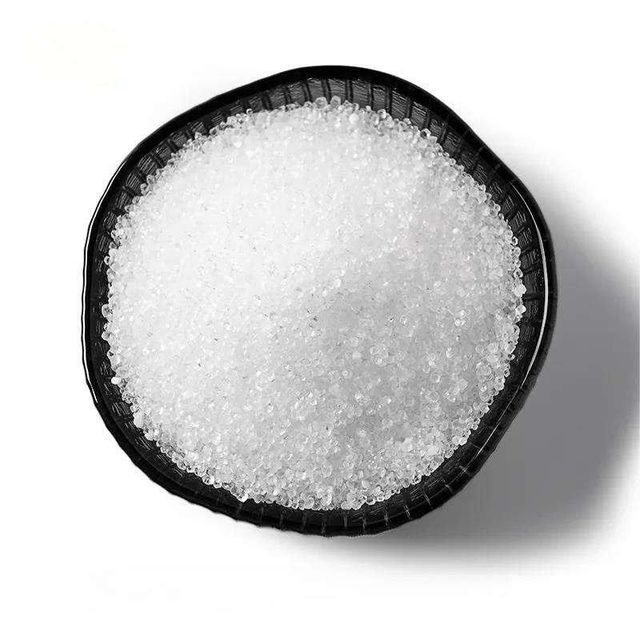
Citric Acid monohydrate
Food Grade

5.0
 South Africa
Agent/Representative, Exporter/Wholesaler, Food manufacturing, Service Provider
1552 HEIDELBERG RD DALPARK
Inquiry Open Rate
13%
Total inquiries received
449
Inquiries Read
57
Number of Employees
11-50 employees
Based on the information provided by the supplier.
 Bahrain
South Africa
 Barbados
 Bahamas
 Australia
Central America & Caribbean
29%
Southern Africa
29%
East Africa
14%
Middle East
14%
Oceania
14%
Verify business documents
By Freshdi Verification System
Verify work email
By Freshdi.com
Verify phone number
Buyer Verification Team
Verify account email
By Freshdi.com
Description
Citric Acid monohydrate – Identification of Product
Chemical Code: CHE-C17
Chemical Name: Citric Acid monohydrate
Chemical Grade: Food Grade
Chemical Formula: C₆H₈O₇ · H₂O
Chemical Weight: 210,14 g/mol
CAS No: 5949-29-1
Chemical Synonyms: 2-Hydroxypropane-1,2,3-Tricarboxylic Acid monohydrate, Citrate.
Citric Acid monohydrate – Hazards Identification
REACH No: 01-2119457026-42-XXXX
Signal Word: Warning
Supplemental Hazard Information:
Additional Hazard Information: This substance contains no components considered to be either persistent, bio-accumulative and toxic (PBT), or very persistent and very bio-accumulative (vPvB) at levels of 0.1% or higher.
Citric Acid monohydrate – Precautionary statements
H319 – Causes serious eye irritation.
Material Safety Data Sheets (MSDS) Safety First
Precautionary statements – Precautionary statements
P305 + P351 + P338 – IF IN EYES: Rinse cautiously with water for several minutes. Remove contact lenses, if present and easy to do. Continue rinsing.
Precautionary statements – Composition of Chemical
Chemical Formula: C₆H₈O₇ · H₂O
EC No 1272/2008: 01-2119457026-42-XXXX
First Aid Measures
General Advice: Consult a physician. Show this safety data sheet to the doctor in attendance.
If: Inhaled: If breathed in, move person into fresh air. If not breathing, give artificial respiration. Consult a physician.
If: Skin Contact: Wash off with soap and plenty of water. Consult a physician.
If: Eye Contac: Rinse thoroughly with plenty of water for at least 15 minutes and consult a physician.
If: Swallowed: Never give anything by mouth to an unconscious person. Rinse mouth with water. Consult a physician.
Important Symptoms: The most important known symptoms and effects are described in the labeling section.
Immediate Medical Attention: No Data Available
Firefighting Measures
Extinguishing Media: Use Water spray, Alcohol-resistant foam, Dry chemical or Carbon Dioxide.
Hazards Arising: Carbon Oxides
Advice for Firefighters: Wear self contained breathing apparatus for fire fighting if necessary.
Info for Firefighting: No Data Available
Accidental Release Measures
Personal Precautions: Use personal protective equipment.
Avoid dust formation.
Avoid breathing vapours, mist or gas.
Ensure adequate ventilation.
Avoid breathing dust.
Enviromental Precautions: Do not let product enter drains.
Method for Containment: Pick up and arrange disposal without creating dust.
Sweep up and shovel.
Keep in suitable, closed containers for disposal.
Handling and Storage
Personal Precautions: Avoid contact with skin and eyes.
Avoid formation of dust and aerosols.
Provide appropriate exhaust ventilation at places where dust is formed.
Enviromental Precautions: Store in cool place.
Keep container tightly closed in a dry and well-ventilated place.
Exposure Controls | Personal Protection
Derived No Effect Level (DNEL)
Workers | Application Area | Exposure Routes | Health Effect | Value
No Data Available
Consumers | Application Area | Exposure Routes | Health Effect | Value
No Data Available
Predicted No Effect Concentration (PNEC)
No Data Available
Engineering Controls: Handle in accordance with good industrial hygiene and safety practice. Wash hands before breaks and at the end of workday.
Eye/Face Protection: Safety glasses with side-shields conforming to EN166. Use equipment for eye protection tested and approved under appropriate government standards such as NIOSH (US) or EN 166(EU).
Skin Protection: Handle with gloves. Gloves must be inspected prior to use. Use proper glove removal technique (without touching gloves outer surface) to avoid skin contact with this product. Dispose of contaminated gloves after use in accordance with applicable laws and good laboratory practices. Wash and dry hands. The selected protective gloves have to satisfy the specifications of EU Directive 89/686/EEC and the standard EN 374 derived from it.
Full contact –
Material: Nitrile rubber. Minimum layer thickness: 0,11 mm.
Break through time: 480 min. Material tested: Dermatril®.
Splash contact –
Material: Nitrile rubber. Minimum layer thickness: 0,11 mm.
Break through time: 480 min. Material tested: Dermatril®.
Data source: KCL GmbH, D-36124. Test method: EN374.
If used in solution, or mixed with other substances, and under conditions which differ from EN 374, contact the supplier of the CE approve gloves. This recommendation is advisory only and must be evaluated by an industrial hygienist and safety officer familiar with the specific situation of anticipated use by our customers. It should not be construed as offering an approval for any specific use scenario.
Body Protection: Impervious clothing. The type of protective equipment must be selected according to the concentration and amount of the dangerous substance at the specific workplace.
Respiratory Protection: For nuisance exposures use type P95 (US) or type P1 (EU EN 143) particle respirator. For higher level protection use type OV/AG/P99 (US) or type ABEK-P2 (EU EN 143) respirator cartridges. Use respirators and components tested and approved under appropriate government standards such as NIOSH (US) or CEN (EU).
Physical and Chemical Properties
Appearance: Colourless, White or translucent crystals or powder.
Odour: No Data Available
Odour Threshold: No Data Available
pH: 1,8 (50 g/l; 20 °C).
Melting Point: No Data Available
Boiling Point: No Data Available
Flash Point: 173,9 °C (closed cup)
Evaporation: No Data Available
Flammability: No Data Available
Upper/Lower Flammability or Explosive Limits: No Data Available
Vapour pressure: No Data Available
Vapour density: 7,26 – (Air = 1.0)
Relative density: No Data Available
Water solubility: Slightly soluble
Partition Coefficien: No Data Available
Auto-ignition Temperature: No Data Available
Decomposition Temperature: No Data Available
Viscosity: No Data Available
Explosive properties: No Data Available
Oxidizing properties: No Data Available
Other Safety Info: Bulk density: 900 kg/m3 at 20 °C.
Relative vapour density: 7,26 – (Air = 1.0).
Stability and Reactivity
Reactivity: No Data Available
Chemical Stability: Stable under recommended storage conditions.
Possibility of hazardous reactions: No Data Available
Conditions to Avoid: No Data Available
Incompatible Materials: Oxidizing agents, Bases, Reducing agents, Nitrates.
Hazardous Decomposition Products: Hazardous decomposition products formed under fire conditions – Carbon Oxides
Toxicological Information
Acute Toxicity: LD50 Oral – Mouse – male and female –
5.400 mg/kg – (OECD Test Guideline 401) – Remarks: (Anhydrous substance).
LD50 Dermal – Rat – male and female –
> 2.000 mg/kg – (OECD Test Guideline 402) – Remarks: (Anhydrous substance)
Skin Corrosion/Irritation: Rabbit –
Result: No skin irritation – 4 h – (OECD Test Guideline 404) – Remarks: (Anhydrous substance)
Serious Eye damage | Eye Irritation: Rabbit –
Result: Causes serious eye irritation.
(OECD Test Guideline 405)
Remarks: (anhydrous substance)
Cell Mutagenicity: Ames test:
Salmonella typhimurium – Result: negative (Anhydrous substance).
Mutagenicity (mammal cell test): micronucleus:
Human lymphocytes – Result: positive – (Anhydrous substance) – OECD Test Guideline 475.
Rat – male – Bone marrow – Result: negative – (Anhydrous substance)
Carcinogenicity: IARC: No component of this product present at levels greater than or equal to 0.1% is identified as probable, possible or confirmed human carcinogen by IARC.
Reproductive toxicity: No Data Available
Specific Target Organ Toxicity – Single Exposure: Acute inhalation toxicity –
Possible damages: Irritation symptoms in the respiratory tract.
Specific Target Organ Toxicity – Repeated Exposure: No Data Available
Aspiration Hazard: No Data Available
Ecological Information
Ecological Toxicity: Toxicity to fish:
Static test LC50 – Leuciscus idus melanotus – 440 mg/l – 48 h – (OECD Test Guideline 203) – Remarks: (Anhydrous substance).
Toxicity to daphnia and other aquatic invertebrates:
Static test LC50 – Daphnia magna (Water flea) – 1.535 mg/l – 24 h – Remarks: (Anhydrous substance)(ECHA)
Ecological Persistence and degradability: Biochemical Oxygen Demand (BOD):
481 mg/g – Remarks: (External MSDS).
Chemical Oxygen Demand (COD):
685 mg/g – Remarks: (External MSDS).
Theoretical oxygen demand:
686 mg/g – Remarks: (Lit.)
Bioaccumulative Potential: No Data Available
Mobility in Soil: No Data Available
Results of PBT and vPvB Assessment: This substance contains no components considered to be either persistent, bio-accumulative and toxic (PBT), or very persistent and very bio-accumulative (vPvB) at levels of 0.1% or higher.
Other Adverse Effect: Harmful effect due to pH shift.
Discharge into the environment must be avoided.
Disposal Considerations
Waste Treatment Methods: Product –
Offer surplus and non-recyclable solutions to a licensed disposal company. Dissolve or mix the material with a combustible solvent and burn in a chemical incinerator equipped with an afterburner and scrubber. Waste material must be disposed of in accordance with the Directive on waste 2008/98/EC as well as other national and local regulations. Leave chemicals in original containers. No mixing with other waste. Handle uncleaned containers like the product itself.
Contaminated packaging – Dispose of as unused product.
Transport Information
UN Number: ADR/RID: –
IMDG: –
IATA: –
UN Shipping Hazard: ADR/RID: Not dangerous goods
IMDG: Not dangerous goods
IATA: Not dangerous goods
Transport Hazard Class: ADR/RID: –
IMDG: –
IATA: –
Packaging Group: ADR/RID: –
IMDG: –
IATA: –
Enviromental Hazards: ADR/RID: no
IMDG Marine pollutant: no
IATA: no
Special Precautions: No Data Available
Regulatory Information
Safety, Health and environmental regulations: This safety datasheet complies with the requirements of Regulation (EC) No. 1907/2006.
Chemical Safety Assessment: For this product a chemical safety assessment was not carried out.
Additional Info: Vomiting, Diarrhoea, Damage to tooth enamel, Dermatitis.
Other dangerous properties can not be excluded.
Handle in accordance with good industrial hygiene and safety practice.
To the best of our knowledge, the chemical, physical, and toxicological properties have not been thoroughly investigated. RTECS: GE7810000.
No reviews yet
Be the first to share your experience - your feedback helps other buyers trade with confidence.
You are viewing details for CITRIC ACID MONOHYDRATE. The information provided here is either posted directly by the supplier, who is responsible for its accuracy, or collected by Freshdi AI from publicly available sources. Freshdi strives to make product information as useful and reliable as possible, but we do not guarantee complete accuracy. If you notice any incorrect or misleading details, please use the Report Product option so our team can review and address it quickly.
$1.3
/ Kilogram
Min. order: 20000 Kilogram
David (Sale/ Marketing/ Sourcing Manager)
Active
Business type
Agent/Representative, Exporter/Wholesaler, Food manufacturing, Service Provider
Main Export Markets
Copyright © 2026 Freshdi.com Freshdi Asia Pte. Ltd. All rights reserved.

Website Operator: Freshdi.com Freshdi Asia Pte. Ltd.