Share on
24 views
3 Inquiries
20000-100000 Kilogram
$0.9Not specified
T/T
CIF
Durban
Key Takeaways
Freshdi AI is analyzing this product...
-52 °c
1.17 Cp @ 20 °c
1.2
1.2 @ 20 °c
100 °c (adiabatic)
114 °c
18 Mm Hg @ 30 °c
34
50%
7722-84-1
<= 3.0
> 1
Acgih Tlv: Twa 1 Ppm, Twa 1.4 Mg/m³; Osha Pel: Twa 1 Ppm, Twa 1.4 Mg/m³; Niosh Idlh: 75 Ppm; Mexico: Twa 1 Ppm, Twa 1.5 Mg/m³, Stel 2 Ppm, Stel 3 Mg/m³
Acute Toxicity – Oral Category 4, Acute Toxicity – Inhalation (vapors) Category 4, Skin Corrosion/irritation Category 1 Sub-category B, Serious Eye Damage/eye Irritation Category 1, Specific Target Organ Toxicity (single Exposure) Category 3
Avoid Breathing Vapors, Mist Or Gas. Clean Water Should Be Available For Washing In Case Of Eye Or Skin Contamination.
Clear, Colorless Liquid
Colorless
Combustible Materials, Copper Alloys, Galvanized Iron, Strong Reducing Agents, Heavy Metals, Iron, Organic Matter (such As Alcohols Or Terpenes), Alkalis, Metals, Metallic Ions, Reducing Agents
Completely Soluble
Considered Hazardous By The Osha Hazard Communication Standard (29 Cfr 1910.1200)
Dike To Collect Large Liquid Spills. Stop Leak And Contain Spill If This Can Be Done Safely. Small Spillage: Dilute With Large Quantities Of Water.
Ensure Eyewash Stations And Safety Showers Are Close To Workstation. Ensure Adequate Ventilation.
Eye/face: Chemical Splash-type Monogoggles And Full-face Shield Made Of Polycarbonate, Acetate, Polycarbonate/acetate, Petg Or Thermoplastic. Skin/body: Impervious Clothing Such As Approved Splash Protective Suit Made Of Sbr Rubber, Pvc, Gore-tex, Or Specialized Hazmat Splash Or Protective Suite (level A, B, Or C). Foot: Approved Boots Made Of Nbr, Pvc, Polyurethane, Or Neoprene. Hand: Approved Gloves Made Of Nitrile, Pvc, Or Neoprene. Respiratory: If Concentrations Exceed 10 Ppm, Use Niosh/dhhs Approved Self-contained Breathing Apparatus (scba) Or Air-supplied Respirator (asr). Do Not Use Air-purifying Respirators Or Filtering Facepieces With Oxidizable Sorbants.
Flush Area With Flooding Quantities Of Water. Hydrogen Peroxide May Be Decomposed By Adding Sodium Metabisulfite Or Sodium Sulfite After Diluting To About 5%.
H314 – Causes Severe Skin Burns And Eye Damage, H302 – Harmful If Swallowed, H332 – Harmful If Inhaled, H335 – May Cause Respiratory Irritation, H272 – May Intensify Fire; Oxidizer
Ho – Oh
Hydrogen Peroxide
Hydrogen Peroxide
Hydrogen Peroxide At These Concentrations Is A Strong Oxidant. Direct Contact With The Eye Is Likely To Cause Corneal Damage Especially If Not Washed Immediately. Careful Ophthalmologic Evaluation Is Recommended And The Possibility Of Local Corticosteroid Therapy Should Be Considered. Because Of The Likelihood Of Corrosive Effects On The Gastrointestinal Tract After Ingestion, And The Unlikelihood Of Systemic Effects, Attempts At Evacuating The Stomach Via Emesis Induction Or Gastric Lavage Should Be Avoided. There Is A Remote Possibility, However, That A Nasogastric Or Orogastric Tube May Be Required For The Reduction Of Severe Distension Due To Gas Formation.
Hydrogen Peroxide Irritates Respiratory System And, If Inhaled, May Cause Inflammation And Pulmonary Edema. The Effects May Not Be Immediate. Overexposure Symptoms Are Coughing, Giddiness And Sore Throat. In Case Of Accidental Ingestion, Necrosis May Result From Mucous Membrane Burns (mouth, Esophagus And Stomach). Oxygen Rapid Release May Cause Stomach Swelling And Hemorrhaging, Which May Product Major, Or Even Fatal, Injury To Organs If A Large Amount Has Been Ingested. In Case Of Skin Contact, May Cause Burns, Erythema, Blisters Or Even Necrosis.
In Closed Unventilated Containers, Risk Of Rupture Due To Increased Pressure From Decomposition. Contact With Combustible Material May Cause Fire. On Decomposition, Oxygen Is Released Which May Intensify Fire.
Keep Containers In Cool Areas Out Of Direct Sunlight And Away From Combustibles. Provide Mechanical General And/or Local Exhaust Ventilation To Prevent Release Of Vapor Or Mist Into Work Environment. Containers Must Be Vented. Keep/store Only In Original Container. Store Rooms Or Warehouses Should Be Made Of Non-combustible Materials With Impermeable Floors. In Case Of Release, Spillage Should Flow To Safe Area. Containers Should Be Visually Inspected On A Regular Basis To Detect Any Abnormalities (swollen Drums, Increases In Temperature, Etc.).
LIquid
Liquid
Move To Fresh Air. If Person Is Not Breathing, Contact Emergency Medical Services, Then Give Artificial Respiration, Preferably Mouth-to-mouth If Possible. Call A Poison Control Center Or Doctor For Further Treatment Advice.
Not Applicable
Not Flammable
Not Sensitive To Mechanical Impact Or Static Discharge
Odorless
Oxidizing Liquids Category 2
P271 – Use Only Outdoors Or In A Well-ventilated Area, P260 – Do Not Breathe Mist, Vapours Or Spray, P280 – Wear Protective Gloves/ Protective Clothing/ Eye Protection/ Face Protection, P210 – Keep Away From Heat/sparks/open Flames/hot Surfaces. – No Smoking, P220 – Keep/store Away From Clothing/flammable Materials/combustibles, P221 – Take Any Precaution To Avoid Mixing With Combustibles/flammables
P305 + P351 + P338 – If In Eyes: Rinse Cautiously With Water For Several Minutes. Remove Contact Lenses, If Present And Easy To Do. Continue Rinsing, P310 – Immediately Call A Poison Center Or Doctor, P303 + P361 + P353 – If On Skin (or Hair): Take Off Immediately All Contaminated Clothing. Rinse Skin With Water/ Shower, P363 – Wash Contaminated Clothing Before Reuse, P304 + P340 – If Inhaled: Remove Person To Fresh Air And Keep Comfortable For Breathing, P312 – Call A Poison Center Or Doctor If You Feel Unwell, P301 + P330 + P331 – If Swallowed: Rinse Mouth. Do Not Induce Vomiting, P310 – Immediately Call A Poison Center Or Doctor, P370 + P378 – In Case Of Fire: Use Water For Extinction
Potable Water Treatment – Certified To Conform To Nsf/ansi Standard 60 – Drinking Water Treatment Chemicals – Health Effects
Reactive And Oxidizing Agent
Rinse Immediately With Plenty Of Water, Also Under The Eyelids, For At Least 15 Minutes. Remove Contact Lenses, If Present, After The First 5 Minutes, Then Continue Rinsing. Seek Immediate Medical Attention/advice.
Rinse Mouth. Do Not Induce Vomiting. If Conscious, Give 2 Glasses Of Water. Get Immediate Medical Attention. Never Give Anything By Mouth To An Unconscious Person.
See Section 12 For Additional Ecological Information
Stable Under Normal Conditions; Decomposes On Heating; Avoid Excessive Heat, Contamination, Uv-rays, Ph Variations
Strong Oxidizer
Take Off Contaminated Clothing. Rinse Skin Immediately With Plenty Of Water For 15-20 Minutes. Call A Poison Control Center Or Doctor For Further Treatment Advice.
Technical
Use Only In Well-ventilated Areas. Keep/store Away From Clothing/combustible Materials. Wear Personal Protective Equipment. Never Return Unused Hydrogen Peroxide To Original Container. Contamination May Cause Decomposition And Generation Of Oxygen Gas Which Could Result In High Pressures And Possible Container Rupture. Empty Drums Should Be Triple Rinsed With Water Before Discarding. Utensils Used For Handling Should Be Made Of Glass, Stainless Steel, Aluminum, Or Plastic. Pipes And Equipment Should Be Passivated Before First Use. Store Only In Vented Containers And Transfer Only In A Prescribed Manner.
Water

5.0
 South Africa
Agent/Representative, Exporter/Wholesaler, Food manufacturing, Service Provider
1552 HEIDELBERG RD DALPARK
Inquiry Open Rate
13%
Total inquiries received
449
Inquiries Read
57
Number of Employees
11-50 employees
Based on the information provided by the supplier.
 Bahrain
South Africa
 Barbados
 Bahamas
 Australia
Central America & Caribbean
29%
Southern Africa
29%
East Africa
14%
Middle East
14%
Oceania
14%
Verify business documents
By Freshdi Verification System
Verify work email
By Freshdi.com
Verify phone number
Buyer Verification Team
Verify account email
By Freshdi.com
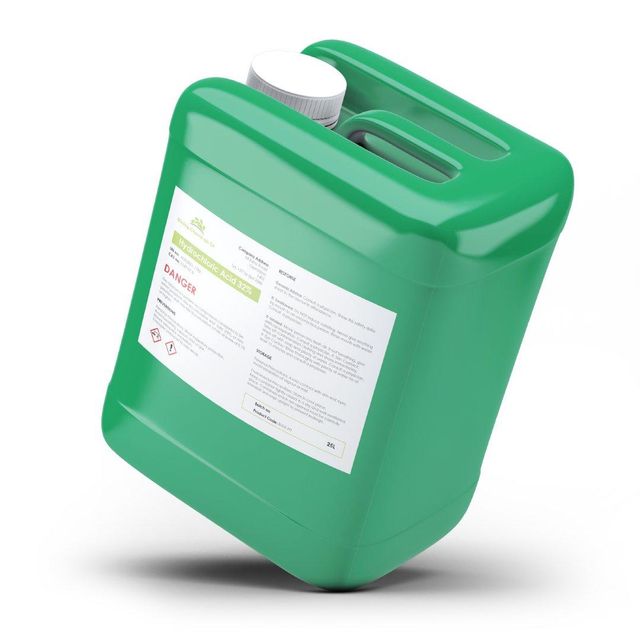
Hydrogen Peroxide 50% – Product Identifier
Product Name Hydrogen Peroxide 50%
Other means of identification: CAS-No 7722-84-1
Recommended use of the chemical and restrictions on use
Recommended Use:
Restrictions on Use:
Manufacturer/Supplier
Potable water treatment: Certified to conform to the requirements of the “NSF / ANSI
Standard 60 – Drinking Water Treatment Chemicals – Health Effects” by NSF International
Use as recommended by the label
Hydrogen Peroxide 50% – Hazards Identification
Classification
OSHA Regulatory Status
This material is considered hazardous by the OSHA Hazard Communication Standard (29 CFR 1910.1200).
Acute toxicity – Oral Category 4
Acute toxicity – Inhalation (Vapors) Category 4
Skin corrosion/irritation Category 1 Sub-category B
Serious eye damage/eye irritation Category 1
Specific target organ toxicity (single exposure) Category 3
Hydrogen Peroxide 50% – GHS Label elements, including precautionary statements
EMERGENCY OVERVIEW
Precautionary Statements – Prevention
P271 – Use only outdoors or in a well-ventilated area
P260 – Do not breathe mist, vapours or spray.
P280 – Wear protective gloves/ protective clothing/ eye protection/ face protection
P210 – Keep away from heat/sparks/open flames/hot surfaces. – No smoking
P220 – Keep/Store away from clothing/flammable materials/combustibles
P221 – Take any precaution to avoid mixing with combustibles/flammables
Precautionary Statements – Response
P305 + P351 + P338 – IF IN EYES: Rinse cautiously with water for several minutes. Remove contact lenses, if present and easy to do. Continue rinsing
P310 – Immediately call a POISON CENTER or doctor
P303 + P361 + P353 – IF ON SKIN (or hair): Take off immediately all contaminated clothing. Rinse skin with water/ shower
P363 – Wash contaminated clothing before reuse
P304 + P340 – IF INHALED: Remove person to fresh air and keep comfortable for breathing
P312 – Call a POISON CENTER or doctor if you feel unwell
P301 + P330 + P331 – IF SWALLOWED: rinse mouth. Do NOT induce vomiting
P310 – Immediately call a POISON CENTER or doctor
P370 + P378 – In case of fire: Use water for extinction
Hazards not otherwise classified (HNOC)
No hazards not otherwise classified were identified.
Hydrogen Peroxide 50% – Other Information
Keep container in a cool place out of direct sunlight. Store only in vented containers. Do not store on wooden pallets. Do not return unused material to its original container. Avoid contamination – Contamination could cause decomposition and generation of oxygen which may result in high pressure and possible container rupture. Empty drums should be triple rinsed with water before discarding.
.
Oxidizing Liquids Category 2
Danger
Hydrogen Peroxide 50% – Hazard Statements
H314 – Causes severe skin burns and eye damage
H302 – Harmful if swallowed
H332 – Harmful if inhaled
H335 – May cause respiratory irritation
H272 – May intensify fire; oxidizer
Hydrogen Peroxide 50% – FIRST AID MEASURES
Eye Contact Rinse immediately with plenty of water, also under the eyelids, for at least 15 minutes.
Remove contact lenses, if present, after the first 5 minutes, then continue rinsing. Seek
immediate medical attention/advice.
Skin Contact Take off contaminated clothing. Rinse skin immediately with plenty of water for 15-20
minutes. Call a poison control center or doctor for further treatment advice.
Inhalation Move to fresh air. If person is not breathing, contact emergency medical services, then give
artificial respiration, preferably mouth-to-mouth if possible. Call a poison control center or
doctor for further treatment advice.
Ingestion Rinse mouth. Do not induce vomiting. If conscious, give 2 glasses of water. Get immediate
medical attention. Never give anything by mouth to an unconscious person.
Most important symptoms and effects, both acute and delayed
Hydrogen Peroxide irritates respiratory system and, if inhaled, may cause inflammation and
pulmonary edema. The effects may not be immediate. Overexposure symptoms are
coughing, giddiness and sore throat. In case of accidental ingestion, necrosis may result
from mucous membrane burns (mouth, esophagus and stomach). Oxygen rapid release
may cause stomach swelling and hemorrhaging, which may product major, or even fatal,
injury to organs if a large amount has been ingested.
In case of skin contact, may cause burns, erythema, blisters or even necrosis.
Indication of immediate medical attention and special treatment needed, if necessary
Hydrogen peroxide at these concentrations is a strong oxidant. Direct contact with the eye
is likely to cause corneal damage especially if not washed immediately. Careful
opthalmologic evaluation is recommended and the possibility of local corticosteroid therapy
should be considered. Because of the likelihood of corrosive effects on the gastrointestinal
tract after ingestion, and the unlikelihood of systemic effects, attemps at evacuating the
stomach via emesis induction or gastric lavage should be avoided. There is a remote
possibility, however, that a nasogastric or orogastric tube may be required for the reduction
of severe distension due to gas formation.
FIRE-FIGHTING MEASURES
Suitable Extinguishing Media Water. Do not use any other substance.
Specific Hazards Arising from the Chemical
In closed unventilated containers, risk of rupture due to the increased pressure from
decomposition. Contact with combustible material may cause fire
Hazardous Combustion Products On decomposition product releases oxygen which may intensify fire.
Explosion data
Sensitivity to Mechanical Impact Not sensitive.
Sensitivity to Static Discharge Not sensitive.
Protective equipment and
precautions for firefighters
Use water spray to cool fire exposed surfaces and protect personnel. Move containers from
fire area if you can do it without risk. As in any fire, wear self-contained breathing apparatus
and full protective gear.
ACCIDENTAL RELEASE MEASURES
COMPOSITION/INFORMATION ON INGREDIENTS
Formula HO – OH
Chemical name CAS-No Weight %
Hydrogen peroxide 7722-84-1 50
Water 7732-18-5 50
Occupational exposure limits, if available, are listed in section 8
Personal Precautions Avoid contact with skin, eyes and clothing. Wear personal protective equipment. Isolate and
post spill area. Keep people away from and upwind of spill/leak. Eliminate all sources of
ignition and remove combustible materials.
Other Combustible materials exposed to hydrogen peroxide should be immediately submerged in
or rinsed with large amounts of water to ensure that all hydrogen peroxide is removed.
Residual hydrogen peroxide that is allowed to dry (upon evaporation hydrogen peroxide can
concentrate) on organic materials such as paper, fabrics, cotton, leather, wood or other
combustibles can cause the material to ignite and result in fire.
Environmental Precautions See Section 12 for additional Ecological Information.
Methods for Containment Dike to collect large liquid spills. Stop leak and contain spill if this can be done safely. Small spillage: Dilute with large quantities of water.
Methods for cleaning up Flush area with flooding quantities of water. Hydrogen peroxide may be decomposed by
adding sodium metabisulfite or sodium sulfite after diluting to about 5%.
HANDLING AND STORAGE
Handling Use only in well-ventilated areas. Keep/Store away from clothing/ combustible materials.
Wear personal protective equipment. Never return unused hydrogen peroxide to original
container. Contamination may cause decomposition and generation of oxygen gas which
could result in high pressures and possible container rupture. Empty drums should be triple
rinsed with water before discarding. Utensils used for handling hydrogen peroxide should
only be made of glass, stainless steel, aluminum or plastic. Pipes and equipment should be
passivated before first use. Hydrogen peroxide should be stored only in vented containers
and transferred only in a prescribed manner.
Storage Keep containers in cool areas out of direct sunlight and away from combustibles. Provide
mechanical general and/or local exhaust ventilation to prevent release of vapor or mist into
work environment. Containers must be vented. Keep/store only in original container. Store
rooms or warehouses should be made of non-combustible materials with impermeable
floors. In case of release, spillage should flow to safe area. Containers should be visually
inspected on a regular basis to detect any abnormalities (swollen drums, increases in
temperature, etc.).
Incompatible products Combustible materials. Copper alloys, galvanized iron. Strong reducing agents. Heavy
metals. Iron. Copper alloys. Contact with metals, metallic ions, alkalis, reducing agents and
organic matter (such as alcohols or terpenes) may produce self-accelerated thermal
decomposition.
EXPOSURE CONTROLS/PERSONAL PROTECTION
Control parameters
Exposure Guidelines Ingredients with workplace control parameters.
Chemical name ACGIH TLV OSHA PEL NIOSH Mexico
Hydrogen peroxide
7722-84-1
TWA: 1 ppm TWA: 1 ppm
TWA: 1.4 mg/m3
IDLH: 75 ppm
TWA: 1 ppm
TWA: 1.4 mg/m3
Mexico: TWA 1 ppm
Mexico: TWA 1.5 mg/m3
Mexico: STEL 2 ppm
Mexico: STEL 3 mg/m3
Chemical name British Columbia Quebec Ontario TWAEV Alberta
Hydrogen peroxide
7722-84-1
TWA: 1 ppm TWA: 1 ppm
TWA: 1.4 mg/m3
TWA: 1 ppm TWA: 1 ppm
TWA: 1.4 mg/m3
Appropriate engineering controls
Engineering measures Ensure that eyewash stations and safety showers are close to the workstation location.
Ensure adequate ventilation.
Individual protection measures, such as personal protective equipment
Eye/Face Protection Use chemical splash-type monogoggles and a full-face shield made of polycarbonate,
acetate, polycarbonate/acetate, PETG or thermoplastic.
Skin and Body Protection For body protection wear impervious clothing such as an approved splash protective suit made of SBR rubber, PVC (PVC Outershell w/Polyester Substrate), Gore-Tex (Polyester
trilaminate w/Gore-Tex), or a specialized HAZMAT Splash or Protective Suite (Level A, B,
or C). For foot protection, wear approved boots made of NBR, PVC, Polyurethane, or
neoprene. Overboots made of Latex or PVC, as well as firefighter boots or specialized
HAZMAT boots are also permitted. DO NOT wear any form of boot or overboot made of
nylon or nylon blends. DO NOT USE cotton, wool or leather as these materials react rapidly
with higher concentrations of hydrogen peroxide. Completely submerge hydrogen peroxide
contaminated clothing or other materials in water prior to drying. Residual hydrogen
peroxide, if allowed to dry on materials such as paper, fabrics, cotton, leather, wood or
other combustibles, can cause the material to ignite and result in a fire.
Hand Protection For hand protection, wear approved gloves made of nitrile, PVC, or neoprene. DO NOT
use cotton, wool or leather for these materials react RAPIDLY with higher concentrations of
hydrogen peroxide. Thoroughly rinse the outside of gloves with water prior to removal.
Inspect regularly for leaks.
Respiratory Protection If concentrations in excess of 10 ppm are expected, use NIOSH/DHHS approved
self-contained breathing apparatus (SCBA) or other approved air-supplied respirator (ASR)
equipment (e.g., a full-face airline respirator (ALR)). DO NOT use any form of air-purifying
respirator (APR) or filtering facepiece (dust mask), especially those containing oxidizable
sorbants such as activated carbon.
Hygiene measures Avoid breathing vapors, mist or gas. Clean water should be available for washing in case of
eye or skin contamination. .
General information Protective engineering solutions should be implemented and in use before personal
protective equipment is considered.
PHYSICAL AND CHEMICAL PROPERTIES
Information on basic physical and chemical properties
Appearance Clear, colorless liquid
Physical State Liquid
Color Colorless
Odor odorless
Odor threshold Not applicable
pH <= 3.0
Melting point/freezing point -52 °C
Boiling Point/Range 114 °C
Flash point Not flammable
Evaporation Rate > 1 (n-butyl acetate=1)
Flammability (solid, gas) Not flammable
Flammability Limit in Air Not applicable
Upper flammability limit:
Lower flammability limit:
Vapor pressure 18 mm Hg @ 30 °C
Vapor density No information available
Density 1.2 @ 20 °C
Specific gravity 1.2
Water solubility completely soluble
Solubility in other solvents No information available
Partition coefficient log Kow = -1.5 @ 20 °C
Autoignition temperature Not combustible
Decomposition temperature 100 °C (adiabatic)
Viscosity, kinematic 1.17 cP @ 20 °C
Viscosity, dynamic No information available
Explosive properties No information available
Oxidizing properties Strong oxidizer
Molecular weight 34
Bulk density Not applicable
STABILITY AND REACTIVITY
Reactivity Reactive and oxidizing agent.
Chemical Stability Stable under normal conditions. Decomposes on heating. Stable under recommended
storage conditions.
Possibility of Hazardous Reactions Contact with organic substances may cause fire or explosion. Contact with metals, metallic ions, alkalis, reducing agents and organic matter (such as alcohols or terpenes) may
produce self-accelerated thermal decomposition.
Hazardous polymerization Hazardous polymerization does not occur.
Conditions to avoid Excessive heat; Contamination; Exposure to UV-rays; pH variations.
Incompatible materials Combustible materials. Copper alloys, galvanized iron. Strong reducing agents. Heavy
metals. Iron. Copper alloys. Contact with metals, metallic ions, alkalis, reducing agents and
organic matter (such as alcohols or terpenes) may produce self-accelerated thermal
No reviews yet
Be the first to share your experience - your feedback helps other buyers trade with confidence.
You are viewing details for HYDROGEN PEROXIDE 50%. The information provided here is either posted directly by the supplier, who is responsible for its accuracy, or collected by Freshdi AI from publicly available sources. Freshdi strives to make product information as useful and reliable as possible, but we do not guarantee complete accuracy. If you notice any incorrect or misleading details, please use the Report Product option so our team can review and address it quickly.
$0.9
/ Kilogram
Min. order: 20000 Kilogram
David (Sale/ Marketing/ Sourcing Manager)
Active
Business type
Agent/Representative, Exporter/Wholesaler, Food manufacturing, Service Provider
Main Export Markets
Copyright © 2026 Freshdi.com Freshdi Asia Pte. Ltd. All rights reserved.

Website Operator: Freshdi.com Freshdi Asia Pte. Ltd.