Share on
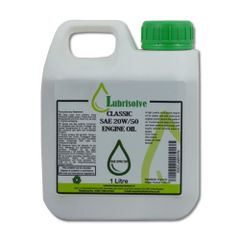
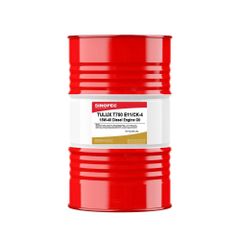
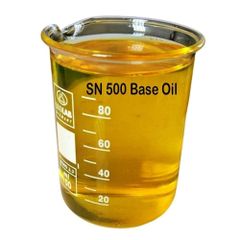
14 views
4 Inquiries
10 MT
$16525 MT
$164100 MT
$1621000 MT
$16010 MT
D/P, Money Gram, Other, PayPal, T/T, W/U
CIF
gdansk
Key Takeaways
Freshdi AI is analyzing this product...
> 0.5 L to 5 L
Advanced Separation Techniques, Bio-based Additives, Circular Economy Approaches
American Petroleum Institute (api), European Lubricating Grease Institute (elgi)
Automotive, Industrial, Marine And Aviation, Agricultural, Small-scale And Commercial
Bottles, Canister, Drums, IBC Container
Collection And Storage, Filtering And Dehydration, Distillation, Hydrotreating, Additive Blending
Fuel Oil, Asphalt Production, Industrial Lubricants
Illegal Dumping, Contamination Concerns, Market Fluctuations, Public Awareness
Leak-proof Containers, Proper Labeling, Secondary Containment Systems
Metal Particles, Dirt And Debris, Water, Additive Depletion, Combustion By-products, Toxic Chemicals And Heavy Metals
Other, SAE 0W-20, SAE 10W-40, SAE 15W-40, SAE 40, SAE 5W-30, SAE 5W-40
Resource Conservation And Recovery Act (rcra), Epa Regulations
Resource Conservation, Reduced Pollution, Energy Savings, Economic Opportunities
Soil And Water Contamination, Toxic Effects On Wildlife, Air Pollution, Fire And Explosion Hazards
crude
steel barrel

3.6
 Poland
Distribution / Wholesale
Ul. Strzelców Bytomskich 4, 44-109 Gliwice
Avg Response Time
≤ 4h
Inquiry Open Rate
47%
Total inquiries received
765
Inquiries Read
356
Based on the information provided by the supplier.
 Albania
 Armenia
 Austria
 Australia
 Antigua and Barbuda
Western Europe
39%
Eastern Europe
31%
Central America & Caribbean
13%
East Asia
9%
Middle East
7%
Verify business documents
By Freshdi Verification System
Verify work email
By Freshdi.com
Verify account email
By Freshdi.com
Verify phone number
Used oil, also known as waste oil, refers to any petroleum-based or synthetic oil that has become unsuitable for its original purpose due to the accumulation of impurities, contaminants, and degradation of its properties. This category includes motor oil, hydraulic oil, lubricants, and other industrial oils that have been used and subsequently become contaminated with dirt, metal particles, and other impurities. Used oil is a significant waste product, and if not managed properly, it can have serious environmental and health implications. In this comprehensive essay, we will explore the sources of used oil, its environmental impact, the recycling and re-refining process, industry practices, and the challenges faced in its management.
Used oil is generated from a wide range of sources, spanning different sectors of society. The primary sources of used oil include:
The automotive industry is one of the largest generators of used oil. This sector includes motor oil drained from cars, trucks, motorcycles, and other vehicles during routine maintenance and oil changes. Transmission fluid, gear oil, and other lubricants used in vehicles also contribute to used oil waste.
Industrial operations use a variety of oils, such as hydraulic oils, cutting fluids, and lubricating oils for machinery and equipment. Over time, these oils degrade due to mechanical wear, heat, and exposure to contaminants, resulting in the generation of used oil that must be properly managed.
Ships, boats, and aircraft generate large volumes of used oil from engines, hydraulic systems, and other mechanical components. Proper disposal and recycling of this used oil are crucial due to the risk of marine pollution and other environmental hazards.
Farms and agricultural machinery also generate used oil from tractors, harvesters, and other equipment. This waste stream requires appropriate collection and recycling to prevent soil and water contamination.
Used oil can also be generated by small-scale users, such as do-it-yourself (DIY) mechanics, workshops, and commercial facilities. The proper management of used oil in this sector is vital to prevent illegal dumping and environmental contamination.
Used oil differs significantly from new or virgin oil due to the presence of contaminants accumulated during its use. These contaminants can include:
During mechanical operations, used oil picks up metal particles from engine parts, machinery, and equipment. These metal particles contribute to wear and can reduce the efficiency of mechanical systems.
Dust, dirt, and other foreign particles can contaminate oil, especially in automotive and industrial settings. This reduces the oil’s effectiveness as a lubricant and can lead to mechanical wear.
Water contamination can occur due to condensation, leaks, or exposure to high humidity. Water in oil can lead to corrosion, reduce lubrication, and promote microbial growth.
Motor oils and industrial lubricants contain various additives to enhance performance, such as anti-wear agents, corrosion inhibitors, and detergents. Over time, these additives deplete, reducing the effectiveness of the oil.
In the case of motor oils, used oil often contains combustion by-products such as unburned fuel, soot, and other hydrocarbons. These contaminants can pose significant challenges to recycling and disposal.
Used oil may contain toxic chemicals, such as polycyclic aromatic hydrocarbons (PAHs) and heavy metals like lead, cadmium, and chromium. These substances can pose serious environmental and health risks if not managed properly.
The improper disposal of used oil can have severe consequences for the environment and human health. When used oil is improperly dumped, poured down drains, or released into the environment, it can lead to:
One gallon of used oil can contaminate up to one million gallons of freshwater. When used oil seeps into the ground, it can pollute soil and groundwater, harming ecosystems and posing risks to human health through contaminated water supplies.
Used oil can have toxic effects on wildlife, especially aquatic organisms. When used oil enters rivers, lakes, and oceans, it forms a thin layer on the water’s surface, reducing oxygen exchange and harming fish, birds, and other wildlife.
The burning of used oil in unregulated settings, such as for heating or waste disposal, releases harmful pollutants into the air, including sulfur dioxide, nitrogen oxides, and particulate matter. This contributes to air pollution and respiratory issues in humans.
Used oil that is not stored properly can pose fire and explosion hazards. The accumulation of flammable vapors and residues increases the risk of fire in storage areas, workshops, and industrial facilities.
Recycling and re-refining used oil are essential steps to minimize its environmental impact and turn it into a valuable resource. These processes involve collecting, cleaning, and processing used oil to create new, usable products.
The first step in the recycling process is the proper collection and storage of used oil. Used oil should be collected in designated containers and stored in leak-proof, labeled containers to prevent spills and contamination. In many countries, collection centers or recycling programs facilitate the proper disposal of used oil from automotive workshops, industrial facilities, and small-scale users.
Once collected, used oil undergoes a filtering process to remove large particles, dirt, and debris. The next step is dehydration, where water and moisture are removed. This is typically achieved through heating and other separation techniques.
Re-refining is a more advanced form of recycling that turns used oil into new, high-quality lubricating oil. The process involves several key steps:
Re-refined oil offers a sustainable alternative to virgin oil, reducing the demand for crude oil extraction and minimizing the environmental impact of oil production.
In addition to recycling and re-refining, used oil can be repurposed for alternative uses:
The recycling and re-refining of used oil offer numerous benefits for the environment, industry, and society as a whole:
Recycling used oil reduces the demand for new oil extraction and production, conserving natural resources and reducing the environmental impact of oil drilling and refining.
Proper management of used oil prevents soil and water contamination, air pollution, and other harmful environmental effects. Recycling also ensures that hazardous contaminants are removed and safely managed.
Re-refining used oil consumes significantly less energy than producing new oil from crude. This energy savings contributes to reduced greenhouse gas emissions and a smaller carbon footprint.
The used oil recycling industry provides jobs and economic opportunities, ranging from collection and transportation to processing and re-refining operations. Additionally, it supports the development of new technologies and innovations for waste management.
The proper management of used oil is governed by regulations and industry best practices designed to protect human health and the environment. Key elements include:
Industry best practices emphasize the safe storage and handling of used oil to prevent spills, leaks, and fire hazards. Containers used for storing used oil must be leak-proof, properly labeled, and equipped with secondary containment systems.
Many countries have regulations governing the collection, transportation, and recycling of used oil. For example, the United States Environmental Protection Agency (EPA) enforces regulations under the Resource Conservation and Recovery Act (RCRA), which classifies used oil as a hazardous waste and mandates proper handling and disposal practices.
Governments and industry organizations often establish used oil collection programs to facilitate recycling and prevent illegal disposal. These programs may include incentives, public awareness campaigns, and designated drop-off locations.
Re-refined oil must meet stringent quality standards to ensure its safety and performance. Organizations such as the American Petroleum Institute (API) and the European Lubricating Grease Institute (ELGI) establish standards for re-refined lubricants to ensure they are on par with or exceed virgin oil specifications.
Despite the benefits of used oil recycling, the industry faces several challenges:
Illegal dumping of used oil remains a problem in many regions, often due to lack of awareness, insufficient disposal infrastructure, or inadequate enforcement of regulations. This poses significant environmental risks.
Used oil can contain hazardous contaminants, such as heavy metals and toxic chemicals, which require careful handling and treatment. Ensuring the safe removal and disposal of these contaminants is a complex and costly process.
The used oil recycling industry is influenced by market fluctuations in oil prices. When virgin oil prices are low, it can be challenging for re-refined oil to compete, impacting the profitability of recycling operations.
Increasing public awareness about the benefits of used oil recycling and the risks of improper disposal is critical. Education campaigns and incentives can encourage proper disposal and recycling practices.
Technological innovations and new approaches are helping to improve the efficiency and effectiveness of used oil recycling:
Innovative separation techniques, such as membrane filtration and centrifugation, are being used to improve the quality of recycled oil and enhance the removal of contaminants.
Research into bio-based additives and renewable lubricants is helping to create more sustainable alternatives to traditional petroleum-based oils, reducing the environmental impact of oil use and disposal.
Adopting circular economy principles encourages the continuous use of resources by keeping used oil within a closed-loop system. This approach reduces waste, conserves resources, and minimizes environmental impacts.
Used oil, while a significant waste stream, also presents an opportunity for environmental protection, resource conservation, and economic growth. Through proper management, recycling, and re-refining, used oil can be transformed into valuable products while minimizing its impact on the environment. However, achieving sustainable used oil management requires collaboration among governments, industries, and individuals to promote best practices, regulatory compliance, and innovative solutions. By taking a holistic approach to used oil recycling, we can turn this waste product into a resource that benefits society and the planet.
No reviews yet
Be the first to share your experience - your feedback helps other buyers trade with confidence.
You are viewing details for Used Oil Recycling / Environmental Impact of Used Oil / Used Oil Management/ Used Oil Contamination/Automotive Used Oil Disposal/Industrial Oil Waste/Used Oil Regulations. The information provided here is either posted directly by the supplier, who is responsible for its accuracy, or collected by Freshdi AI from publicly available sources. Freshdi strives to make product information as useful and reliable as possible, but we do not guarantee complete accuracy. If you notice any incorrect or misleading details, please use the Report Product option so our team can review and address it quickly.
$165
/ MT
Min. order: 10 MT
Sylwia Anna (Sale/ Marketing/ Sourcing Manager)
Active
Avg Response Time: ≤ 4h
Year Established: 2018
Business type
Distribution / Wholesale
Main Export Markets
Copyright © 2026 Freshdi.com Freshdi Asia Pte. Ltd. All rights reserved.

Website Operator: Freshdi.com Freshdi Asia Pte. Ltd.