Share on
2 views
1-100000 Tons
$7501-100000 Tons
$850Not specified
20% Advance, 80% Scanned Copy of BL
To be discussed
Not specified
Key Takeaways
Freshdi AI is analyzing this product...
ALL grades
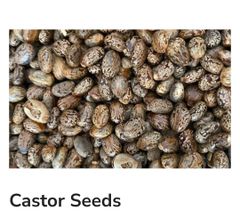
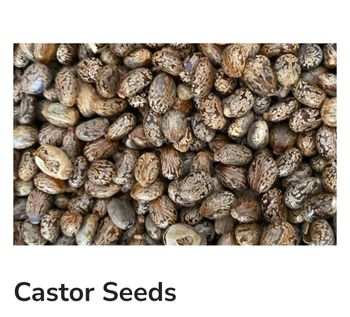
Brown Or Reddish With Unique Marbled Patterns
Bulk
Environmentally Sustainable Due To Low Water Needs And Pest Resistance
Growing Demand For Bio-based And Renewable Products
Laxatives And Medicinal Ointments, Skin Creams, Soaps, And Shampoos, Anti-inflammatory And Antimicrobial Treatments, Hair Growth And Scalp Conditioning Products
Lubricants And Greases, Paints, Coatings, And Varnishes, Hydraulic And Brake Fluids, Biodiesel And Bio-based Polymers, Plasticizers And Adhesives
Mechanical Pressing Or Solvent Extraction
Mottled, Glossy, And Oval-shaped
Pale Yellow Liquid
Production Of Castor Oil
Ricin Is Removed During Oil Processing; Oil Is Safe And Ricin-free When Properly Extracted
Ricinoleic Acid
Thick
Thrives In Tropical And Subtropical Climates, Drought-resistant, Low Water Requirements, Pest-resistant
Toxic In Raw Form Due To Ricin Content
Up To 50% By Weight
4.0
 India
India
Food manufacturing
Uttar Pradesh
Year Established
2020
Number of Employees
1-10 employees
Annual Revenue
Annual revenue of Less than USD 1M
Based on the information provided by the supplier.
 Australia
 New Zealand
 United Kingdom
 United States
 Peru
Peru
Western Europe
44%
Oceania
22%
North America
11%
South America
11%
Southeast Asia
11%
Verify business documents
By Freshdi Verification System
Verify work email
By Freshdi.com
Verify phone number
Buyer Verification Team
Verify account email
By Freshdi.com
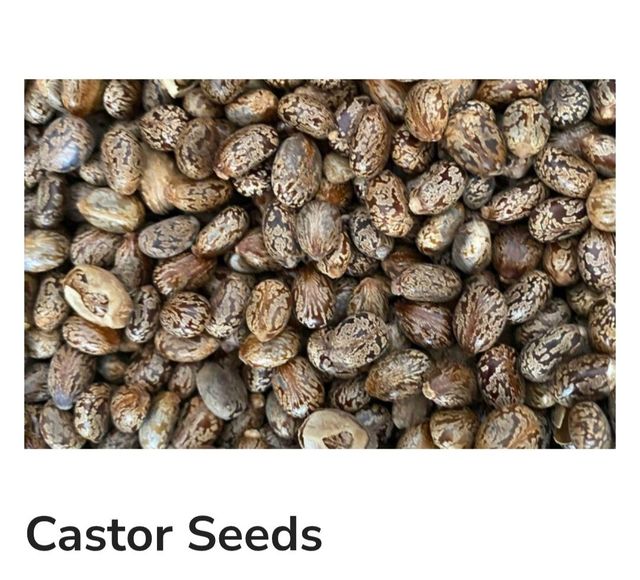
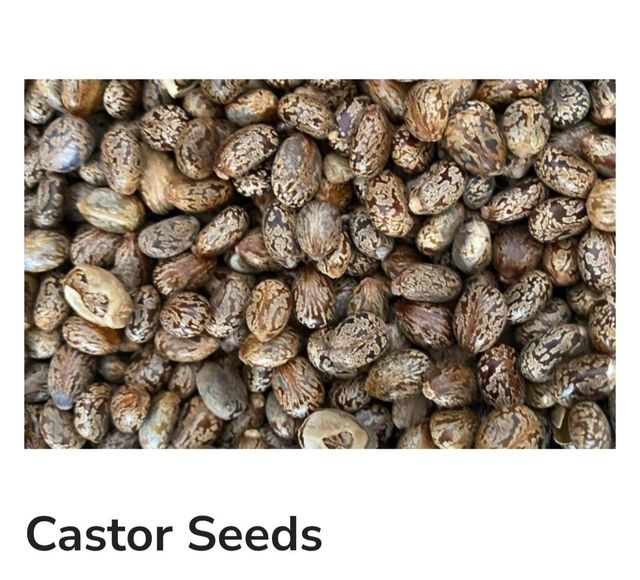
Castor seeds are the seeds of the Ricinus communis plant, a hardy, fast-growing shrub native to Africa and India. Known for their distinctive appearance—mottled, glossy, and oval-shaped—castor seeds have been cultivated for centuries, mainly for the oil extracted from them, commonly known as castor oil. While the seeds themselves are toxic if consumed raw due to the presence of ricin, they are highly valuable in processed form and play a critical role in both industrial and pharmaceutical sectors.
Botanical and Agricultural Profile
The Ricinus communis plant thrives in tropical and subtropical climates and is remarkably drought-resistant. It grows quickly, with broad, palmate leaves and clusters of spiky seed pods. Inside each pod are the castor seeds, which vary in color but are often brown or reddish with unique marbled patterns. Each seed is rich in oil—containing up to 50% by weight—which is extracted through mechanical pressing or solvent extraction.
Castor plants are typically grown as annual crops in commercial farming, though they can survive for several years in frost-free regions. India is the world’s largest producer and exporter of castor seeds and castor oil, followed by countries like Brazil, China, and Thailand.
Castor Oil: The Seed’s Most Valuable Product
The primary use of castor seeds is for the production of castor oil, a thick, pale yellow liquid with a unique composition. The oil is composed mainly of ricinoleic acid, a rare fatty acid not commonly found in other plant oils. This compound gives castor oil its distinctive viscosity, solubility, and chemical stability, making it highly desirable in numerous industries.
In the industrial sector, castor oil is used in the manufacturing of:
Its high viscosity and resistance to high and low temperatures make it ideal for high-performance and specialty applications.
In the pharmaceutical and cosmetic industries, castor oil is used in:
Its moisturizing, anti-fungal, and soothing properties have earned it a place in both modern and traditional medicine.
Toxicity and Safety Concerns
One important aspect of castor seeds is their toxicity in raw form. The seeds contain ricin, a potent toxin that can be fatal if ingested in small quantities. Ricin interferes with protein synthesis in the body and has no known antidote. Because of this, castor seeds must be handled with care, and the ricin is removed or rendered harmless during oil processing. The oil itself is safe and ricin-free when properly extracted.
Due to its potential as a bioterrorism agent, ricin is classified as a controlled substance in many countries. However, with proper handling and processing, castor seeds remain an essential agricultural commodity.
Economic and Environmental Importance
Castor cultivation supports thousands of farmers, particularly in India, where it provides a valuable cash crop in semi-arid regions. The plant’s low water requirements and resistance to pests make it an environmentally sustainable choice compared to other industrial oil crops.
Additionally, the growing global demand for bio-based and renewable products has increased interest in castor oil derivatives. As industries seek to reduce their carbon footprint, castor-based polymers and chemicals are being explored as eco-friendly alternatives to petroleum-based products.
Conclusion
Castor seeds, while small and potentially hazardous in raw form, are incredibly powerful contributors to both industry and healthcare. Their ability to produce a unique, multi-purpose oil has cemented their importance in global markets. From lubricants and cosmetics to pharmaceuticals and biofuels, castor seeds continue to demonstrate the vast potential hidden within nature’s smallest gifts. With rising interest in sustainable resources, the castor plant’s future looks increasingly promising.
No reviews yet
Be the first to share your experience - your feedback helps other buyers trade with confidence.
You are viewing details for Castor Seeds. The information provided here is either posted directly by the supplier, who is responsible for its accuracy, or collected by Freshdi AI from publicly available sources. Freshdi strives to make product information as useful and reliable as possible, but we do not guarantee complete accuracy. If you notice any incorrect or misleading details, please use the Report Product option so our team can review and address it quickly.
$850
/ Tons
Min. order: 1 Tons
Rishi (Founder/ Owner)
Active
Year Established: 2020
Business type
Food manufacturing
Main Export Markets
Copyright © 2026 Freshdi.com Freshdi Asia Pte. Ltd. All rights reserved.

Website Operator: Freshdi.com Freshdi Asia Pte. Ltd.