6,185 results for “Flower Seeds products found from trusted suppliers, wholesalers, manufacturers & exporters”

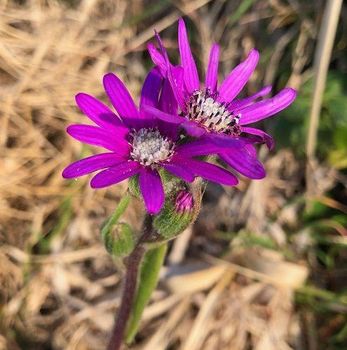

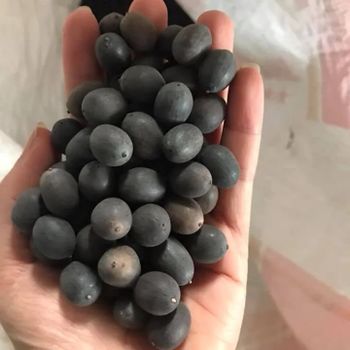

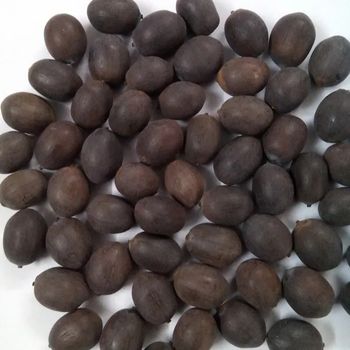
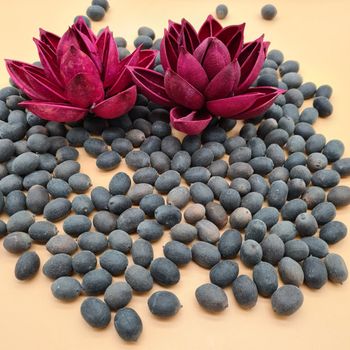
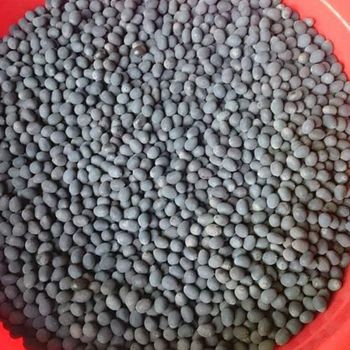
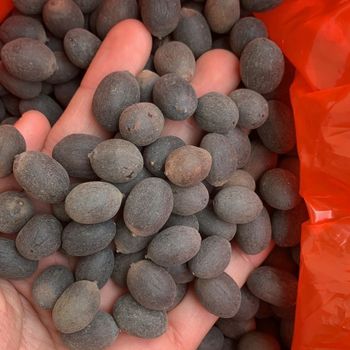
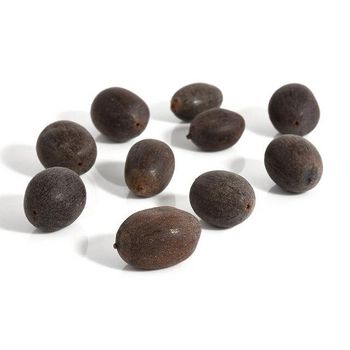
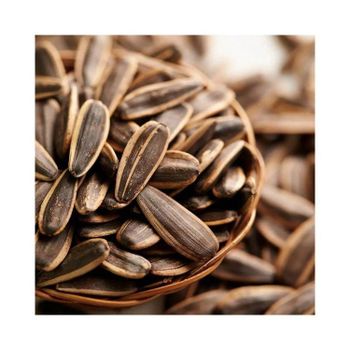

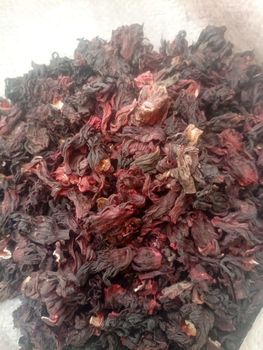

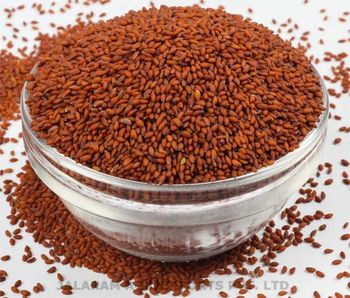
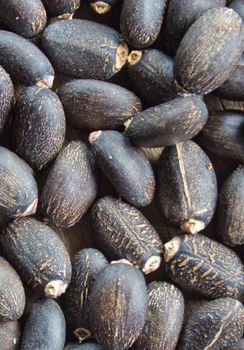


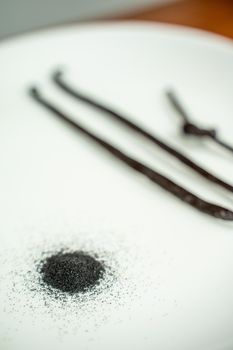

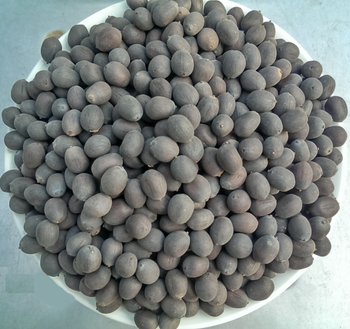
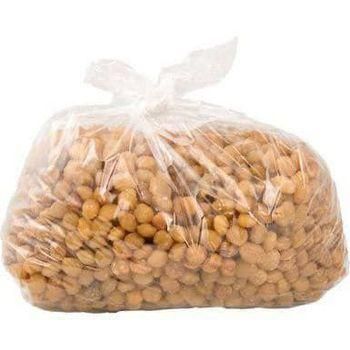


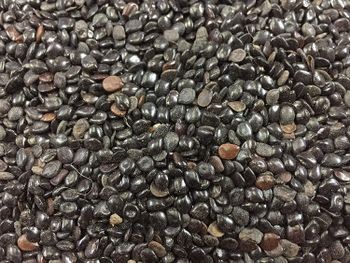
🌿 Cassia Absus Seeds (Chaksu / Jasmeejaz) – India Origin | 99.5% Purity | Non-GMO
$11,363
Min. order: 1 Tons

Frequently Asked Questions (FAQs)
Who are the world's leading flower seed exporters and top global suppliers in the wholesale market?
China, the United States, and the Netherlands dominate the global flower seed market, with China leading in volume and diversity, the U.S. excelling in hybrid and specialty varieties, and the Netherlands serving as a key hub for high-quality, export-ready seeds. These countries are central to the global wholesale supply chain, supporting large-scale agricultural operations and international horticulture trends. Buyers seeking reliable, bulk flower seed export options can access top-tier suppliers through platforms like Freshdi.com.
What is the typical Minimum Order Quantity (MOQ) for wholesale flower seeds?
The standard MOQ for wholesale flower seeds is 500–1,000 packets (10–20 kg) for most commercial buyers, with larger bulk suppliers offering 500+ units per variety to optimize shipping and packaging efficiency. Direct manufacturers often require commercial orders of 1,000+ units to justify production run costs, while smaller distributors may offer lower MOQs (e.g., 100–200 units) for regional or specialty flower seed lines. For private label or custom packaging, MOQs can reach 2,000+ units to cover printing and labeling expenses. Always verify storage and germination requirements when placing bulk flower seed orders.
How do I buy wholesale flower seeds on B2B marketplaces?
To buy wholesale flower seeds, start by selecting a B2B platform with verified manufacturers offering bulk sourcing and import compliance documentation. Filter for suppliers with ISO certification, seed viability guarantees, and proven export history. Specify your required varieties, quantities, and planting conditions in your Request for Quotation (RFQ). Negotiate terms like FOB shipping and secure payment via Letters of Credit or Trade Assurance. Always verify seed purity, germination rates, and packaging standards—critical for successful cultivation. For reliable sourcing, consider Freshdi.com as a trusted B2B marketplace connecting buyers with certified international flower seed producers.
How do I find and verify reliable suppliers for flower seeds?
To find reliable flower seed suppliers, use trusted B2B platforms like Alibaba, Global Sources, and Freshdi.com to access verified wholesale options from direct manufacturers. Prioritize suppliers with ISO 9001 and organic certifications (e.g., USDA Organic, EU Organic) and check key attributes such as germination rate, seed purity, and disease resistance. Always request samples and verify their production capacity, export history, and compliance with international phytosanitary standards. Secure transactions via Letters of Credit or Trade Assurance, and conduct factory audits or on-site visits to ensure quality and transparency. A strong supplier reputation is built through consistent performance, reliable delivery, and full traceability.
You may like
You may like