10,000+ results for “1121 Basmati Rice products found from trusted suppliers, wholesalers, manufacturers & exporters”
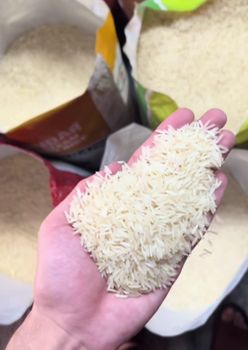

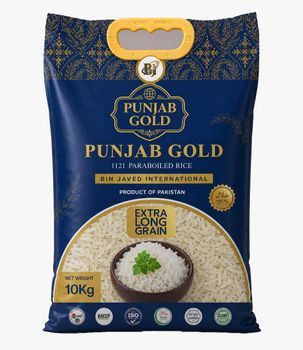
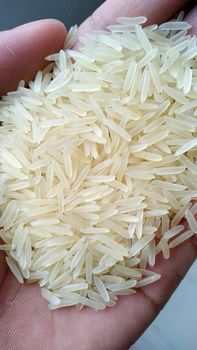

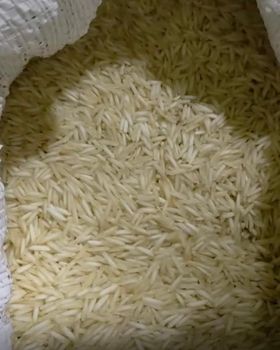

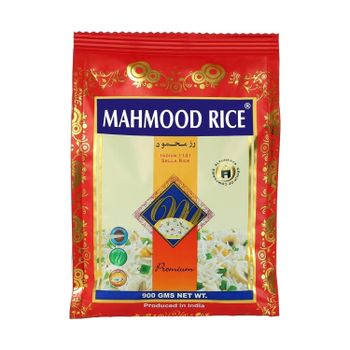
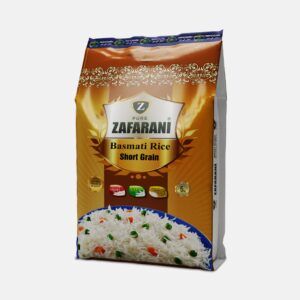
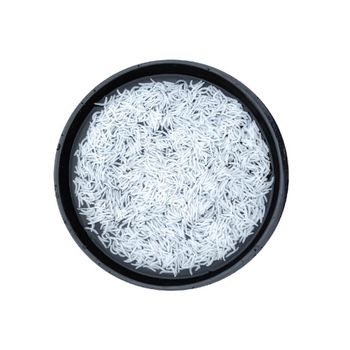
Mahmood Rice 1121 Basmati Weißer Langkornres mit 100% Extra Aroma Mahmood Reis Hygienisch verpackt Für Großbestellungen
$965 - $970
Good Price
Min. order: 5 Tons

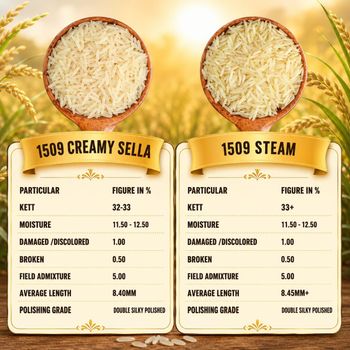
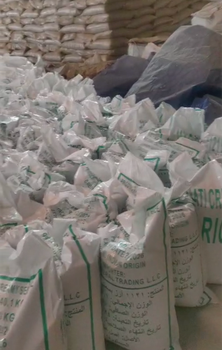
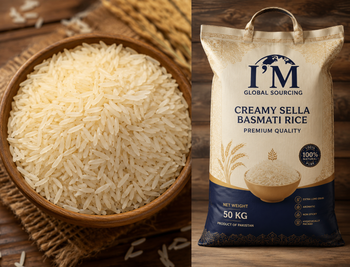
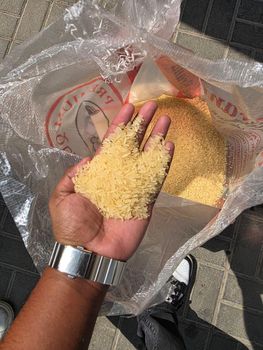
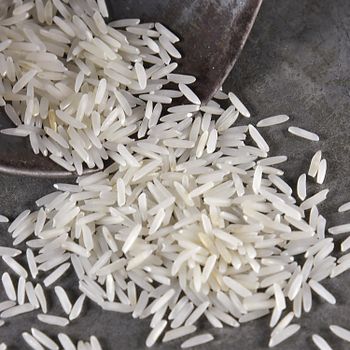
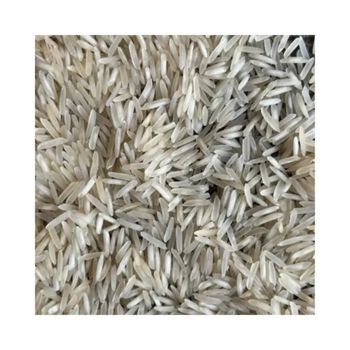
Carefully Sorted Premium Basmati Rice Offering Aged Grain Texture For Bulk Export Orders
$640
Good Price
Min. order: 5 Tons

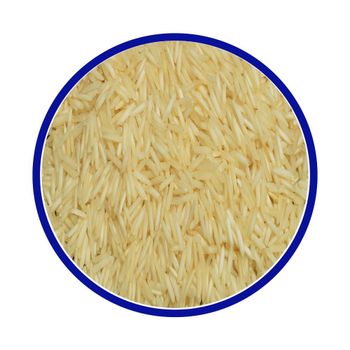
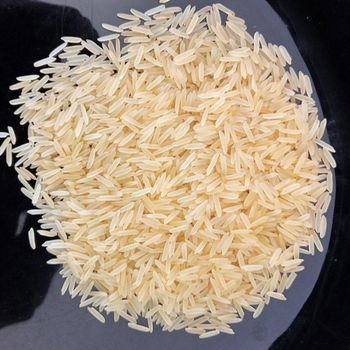
Golden Harvested Grain Collection Featuring Basmati Rice With Rich Fragrance For Import Buyers
$720
Good Price
Min. order: 5 Tons
Frequently Asked Questions (FAQs)
Which countries are the world's leading exporters of Basmati rice and what are the key global trends in this wholesale market?
India is the top global Basmati rice exporter, followed by Pakistan and the United States, which supply high-quality long-grain varieties for international wholesale and export demand. These countries dominate the global market with consistent supply chains and strong export infrastructure. The trend shows rising demand for premium Basmati rice in Europe and North America, driven by health-conscious consumers and gourmet food trends. Buyers seeking reliable bulk sourcing can access these products through global B2B platforms like Freshdi.com.
What is the typical Minimum Order Quantity (MOQ) for wholesale Basmati rice?
The standard MOQ for wholesale Basmati rice is typically 1 metric ton (2,200 lbs) for commercial orders, enabling bulk shipping efficiency and cost optimization. Direct manufacturers often require this volume to justify transportation and handling logistics, while smaller distributors may offer 500 kg (1,100 lbs) for regional or retail buyers. For private label or branded products, MOQs can rise to 2–3 metric tons due to packaging, labeling, and quality control costs. Smaller buyers seeking trial quantities may find flexible options through a bulk supplier with tiered pricing, though per-unit costs increase significantly below 500 kg.
How do I buy wholesale 1121 Basmati Rice on B2B marketplaces?
To buy wholesale 1121 Basmati Rice, start by identifying verified manufacturers with ISO 22000 and FSSC 22000 certifications and proven import compliance. Use B2B platforms like Freshdi.com to compare suppliers, request detailed quotes, and verify product attributes such as grain length, moisture content, and aroma. Negotiate bulk pricing with clear shipping terms (e.g., FOB India) and secure payment via Trade Assurance or Letters of Credit. Always request samples and confirm storage conditions to maintain quality. Prioritize suppliers offering full import compliance documentation to ensure smooth customs clearance and timely delivery for commercial or retail use.
How do I find and verify reliable suppliers for 1121 Basmati Rice?
To find reliable wholesale basmati rice suppliers, search trusted B2B platforms like Alibaba, Global Sources, and Freshdi.com to access direct manufacturers. Prioritize suppliers with key certifications such as ISO 9001, HACCP, and APEDA/VFA compliance, and verify their reputation through export history, customer reviews, and product samples. Check critical attributes including grain length, aroma, moisture content, and broken percentage. Always request samples and conduct factory audits to ensure quality consistency. Secure transactions via Letters of Credit or Trade Assurance for safety. Use verified platforms to ensure compliance, transparency, and reliable sourcing for global wholesale distribution.
You may like
You may like