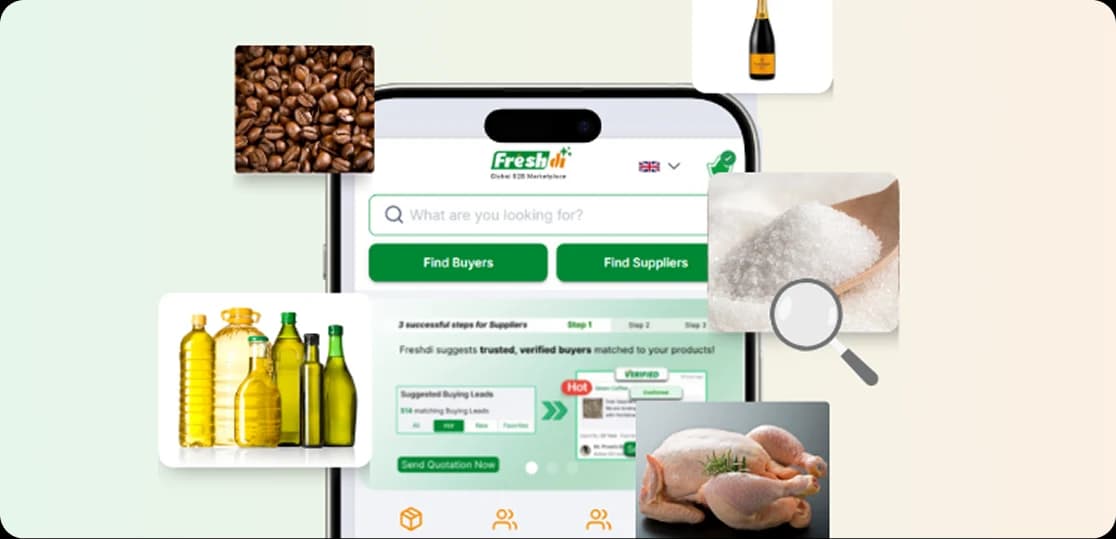
178 results for “Acupressure And Massage Balls products found from trusted suppliers, wholesalers, manufacturers & exporters”








Frequently Asked Questions (FAQs)
How do I choose the right acupressure and massage balls for my business?
Acupressure and massage balls are small, handheld tools designed to relieve muscle tension and improve circulation; they are typically made from silicone, rubber, or thermoplastic and come in various sizes, shapes, and textures. Conceptually, this category is structured around key attributes like material, diameter, surface texture, and intended use (e.g., back, neck, or foot), with subtypes such as ergonomic balls, pressure-sensitive balls, and therapeutic balls that align with specific wellness goals. To source them effectively on a B2B site, search using keywords like “acupressure ball silicone” or “massage ball ergonomic,” then filter by material, size range, and certifications; for example, look for suppliers offering balls with a 3–5 cm diameter and FDA-compliant materials, or those providing samples for testing. Before finalizing a supplier, verify they provide clear product specifications, batch testing reports, and certifications like ISO 9001 or CE, and ask for a sample order and lead time to ensure quality and delivery reliability.
Which acupressure and massage balls are best for ergonomic support in office settings, and where can I find them through a B2B supplier?
Acupressure and massage balls are small, handheld tools used to relieve muscle tension, improve circulation, and support joint health; common subcategories include ergonomic massage balls, joint relief balls, and muscle relaxation balls. These products are widely used in industries such as healthcare, wellness centers, corporate wellness programs, and physical therapy clinics to support employee well-being and reduce workplace strain. For example, a corporate HR manager in a tech company may seek these balls to promote employee comfort during long work hours, while a physical therapist may use them in rehabilitation sessions to aid muscle recovery. Freshdi is a B2B supplier platform that lists acupressure and massage balls, enabling businesses to source these products directly from verified suppliers.
Which acupressure and massage balls supplier on Freshdi offers reliable certifications and common B2B trade terms for bulk orders?
Freshdi lists acupressure and massage balls suppliers with proven experience in international trade, including those with ISO 9001 and CE certifications, which are commonly expected to establish reliability in B2B deals. Buyers often look for suppliers with clear trade terms such as FOB Shanghai and FOB Guangzhou, with Shanghai being the most common port and Guangzhou the second most common in global B2B transactions, and typical payment terms include 30% advance payment and 70% before shipment. These credentials and terms align with standard buyer expectations for trustworthy, scalable sourcing.
Which countries are the main import markets for acupressure and massage balls, and what are the most commonly exported variants by material and size?
The primary import markets for acupressure and massage balls include China, the United States, and Germany, with China being the largest exporter due to its manufacturing capacity and cost efficiency. Commonly exported variants include silicone balls (often referred to as "soft silicone acupressure balls" in trade), rubber balls (marketed as "natural rubber massage balls"), and hybrid balls with textured surfaces (known as "textured grip massage balls"). Suppliers typically list these variants by material composition (e.g., medical-grade silicone, natural rubber), size (e.g., 2.5 cm, 3.5 cm, 5 cm diameter), and color (e.g., white, black, blue). Silicone balls are most popular in North America and Europe due to their ergonomic design and safety, while rubber balls are preferred in Southeast Asia and South America for their durability. A key supplier trust signal is that over 70% of B2B listings on Freshdi specify material compliance with FDA or CE standards, ensuring product safety and regulatory alignment.
You may like
You may like