681 results for “Agriculture Bags products found from trusted suppliers, wholesalers, manufacturers & exporters”

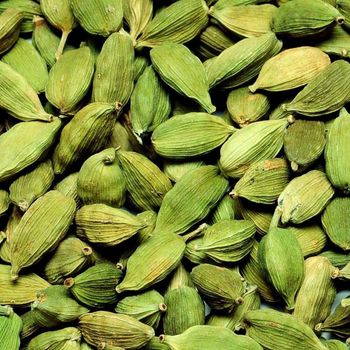
100% Natural Dried Green Cardamom 8mm High Quality Premium Agriculture for Cooking Wholesale 25/50kg PP Bags
$2,240 - $3,840
Good Price
Min. order: 6 Tonne-Force(Metric)

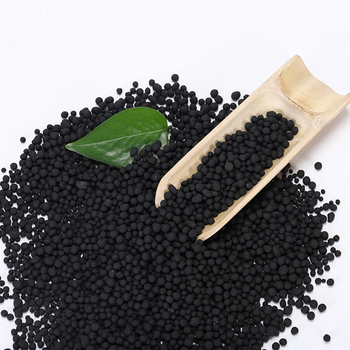
Di Ammonium Phosphate DAP 18 46 0 Agriculture Grade 50kg Bags India Export Quality
$256
Good Price
Min. order: 1 MT

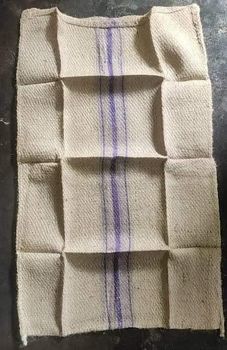
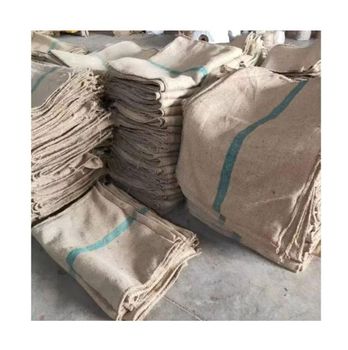
Buy premium jute bags – eco-friendly, durable & reusable. Perfect for shopping, agriculture & promotions. Custom sizes & logo printing available.
$1.2 - $3
Good Price
Min. order: 1000 Bag








Frequently Asked Questions (FAQs)
Which agriculture bags are best for storing fertilizers and how do they differ by industry use?
Agriculture bags, such as polyethylene and woven bags, are essential for storing and transporting fertilizers, seeds, and crop inputs; these are commonly used in farming, agrochemical distribution, and livestock feed supply chains. Freshdi offers a range of agriculture bags tailored to specific needs, including moisture-resistant options for fertilizers and durable, tear-resistant designs for field use. A farm manager in the Midwest may need large-capacity, weather-resistant bags to store liquid fertilizers during seasonal transitions, while a rural agri-supplier in Southeast Asia might prioritize lightweight, cost-effective woven bags for transporting bulk seed material to remote villages.
Which agriculture bags supplier on Freshdi offers proven export experience and industry certifications for reliable B2B sourcing?
Freshdi lists agriculture bags suppliers with verified export experience, including those with proven operations in Asia and the Middle East, and commonly recognized certifications such as ISO 9001, BRC, and FDA compliance, which are trusted indicators of quality and reliability in agricultural packaging. Trade terms typically include FOB Shanghai and FOB Mumbai, with payment terms often set at 30% advance payment and 70% before shipment.
How do I choose the right agriculture bags for my farm operations?
Agriculture bags are durable, reusable containers used in farming for transporting or storing soil, seeds, fertilizers, or crop residues; common attributes include tear resistance, moisture resistance, and size options like 50kg or 100kg. Conceptually, they are structured by material (e.g., polypropylene, polyethylene), intended use (e.g., seed storage, fertilizer transport), and environmental compliance (e.g., biodegradable or recyclable), where material directly influences durability and cost. To source effectively on a B2B site, filter by material type and application, then compare supplier ratings and product specs—e.g., search “polypropylene agriculture bags 50kg” or “recyclable fertilizer bags” to find relevant options. Before finalizing, verify with suppliers that the bags meet local agricultural standards and confirm the material’s resistance to UV exposure and moisture, such as asking, “Does your polyethylene bag resist moisture for at least 6 months in humid conditions?” or “Can you provide a certificate of compliance for biodegradability?”
Which countries are the main import markets for agricultural bags, and what are the most commonly exported variants by material and size?
Major import markets for agricultural bags include India, Southeast Asia, and the Middle East, where demand is driven by large-scale farming and storage needs. Commonly exported variants include polyethylene (PE) bags, typically sold as "HDPE agricultural bags" or "polyethylene stretch bags," and woven polypropylene (PP) bags, often labeled as "woven PP agricultural sacks." Suppliers commonly list attributes such as material (HDPE or PP), thickness (e.g., 20–30 microns), size (e.g., 50kg or 100kg capacity), and construction (e.g., single or double-layer). HDPE bags are widely preferred in Southeast Asia for moisture resistance, while woven PP bags are favored in the Middle East for durability in harsh climates. In India, 50kg HDPE bags are the most frequently ordered, with 70% of suppliers offering them in standard sizes. These variants are consistently listed with clear material and size specifications, ensuring transparency and enabling buyers to match supply with regional requirements.
You may like
You may like