146 results for “Ajwain Seed products found from trusted suppliers, wholesalers, manufacturers & exporters”







Frequently Asked Questions (FAQs)
How do I evaluate and source high-quality Ajwain seeds from reliable suppliers on a B2B platform?
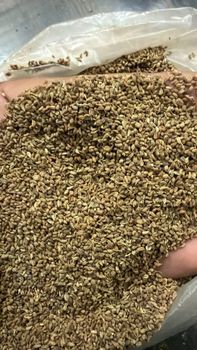
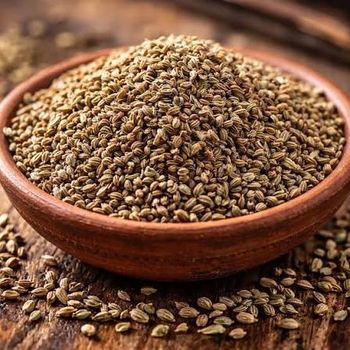
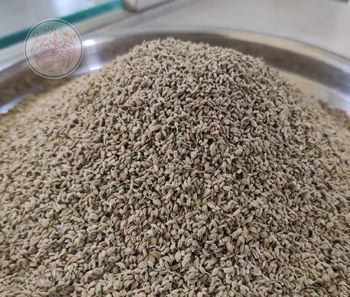
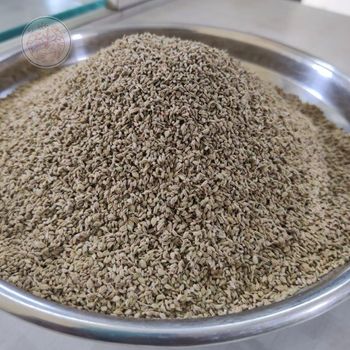
Ajwain seeds, also known as carom seeds, are a spice derived from the plant *Trachyspermum ammi*, commonly used in Indian and Middle Eastern cuisine for digestive health and flavor; they are typically sold in whole, dry form and are non-GMO, organically certified, and free from pesticides. Conceptually, Ajwain seeds are categorized by origin (e.g., India, Iran), purity (e.g., 99% germination), and packaging (e.g., vacuum-sealed, bulk), with these attributes interrelated to ensure quality and shelf life. To source them effectively, buyers should first filter by product type and origin, then review supplier certifications and product specifications, such as moisture content and seed size, before placing an order—e.g., selecting a supplier from Gujarat, India, offering 99% germination and organic certification, or comparing two suppliers offering similar seed types but differing in packaging and delivery terms. Before finalizing, verify with suppliers by asking for a certificate of analysis (CoA) and confirming the seed’s moisture content and germination rate, such as requesting a CoA showing ≤8% moisture and ≥98% germination, or asking for a sample to test freshness and aroma.
Which suppliers on Freshdi offer Ajwain Seed with verified certifications and reliable trade terms for bulk orders from India and China?
Suppliers on Freshdi listing Ajwain Seed are typically experienced with at least 5 years of operation and proven export history to key markets like India and China, which builds buyer confidence. Common credentials include ISO 22000, HACCP, and FSSC 22000, which validate food safety and quality standards. Trade terms commonly include FOB Mumbai and FOB Shanghai, with payment terms such as 30% advance, 70% before shipment, ensuring secure and timely transactions.
Which industries use ajwain seed and where can I buy it through a B2B supplier?
Ajwain seed, also known as carom seed, is a spice commonly used in traditional Indian cuisine, Ayurvedic medicine, and natural health products. It belongs to the subcategory of essential oils and herbal spices and is often used in food processing, pharmaceuticals, and aromatherapy. Common industries that use ajwain seed include food and beverage manufacturing, herbal supplement production, and traditional medicine formulation. Buyers in the food processing industry may seek ajwain seed for flavoring in spice blends, while pharmaceutical companies may use it for its anti-inflammatory properties. A buyer in a small-scale Ayurvedic pharmacy in rural India might search for ajwain seed to formulate a home remedy for digestive issues, while a food processor in Gujarat may look for bulk supply to include in ready-to-eat snacks. Ajwain seed is available through B2B platforms like Freshdi, which connects buyers with verified suppliers offering wholesale pricing.
Which countries are the main import markets for Ajwain seeds, and what are the most commonly exported variants with their trade names and key supplier attributes?
Ajwain seeds are primarily imported into India, the Middle East, and Southeast Asia, where they are widely used in traditional cooking and herbal formulations. Commonly traded variants include fresh Ajwain seeds (also known as "carom seeds" in international trade), dried Ajwain seeds, and whole, unbroken Ajwain seeds, with the latter being preferred in India and the UAE. Suppliers typically list these variants by material composition (100% natural, organically grown), form (whole or ground), and origin (e.g., India, Rajasthan). Dried whole Ajwain seeds are most frequently exported to the Middle East and Southeast Asia, where demand is driven by culinary and medicinal uses, while fresh Ajwain is mainly traded in India and parts of Africa. Trust signals include verified supplier listings on Freshdi, transparent origin tracing, and compliance with international food safety standards.
You may like
You may like