10,000+ results for “Almonds products found from trusted suppliers, wholesalers, manufacturers & exporters”

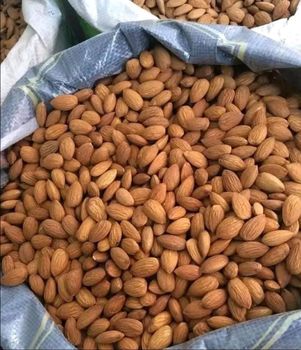

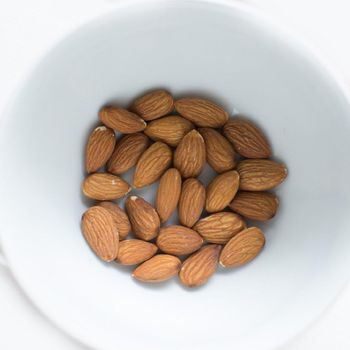

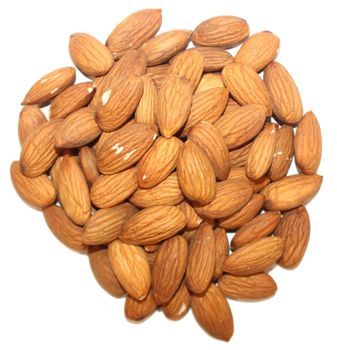
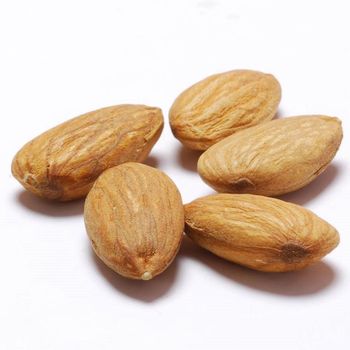
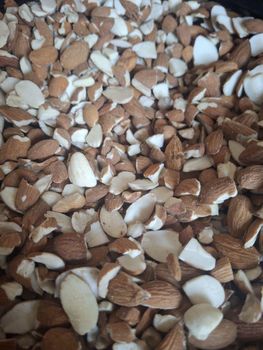

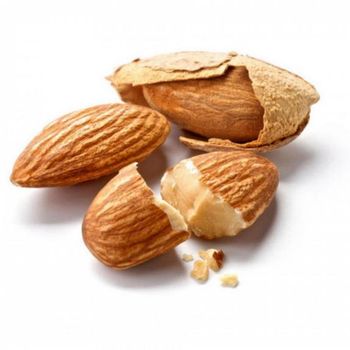

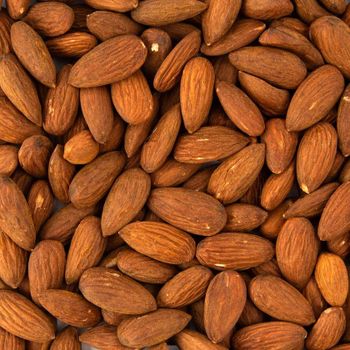
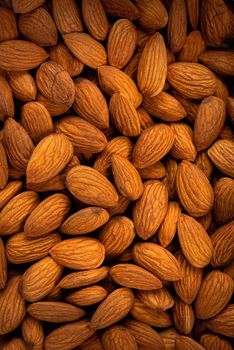
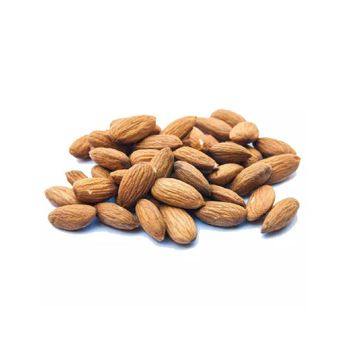
Sweet California Almonds, Raw Almonds Nuts, Roasted Almonds/Wholesale Almond Kernel / Raw Natural Almond Nuts
$1,840 - $2,200
Min. order: 2 Tons

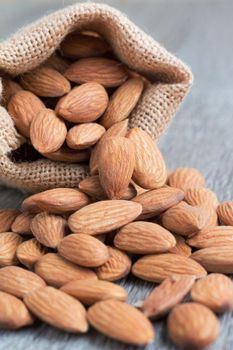
Good Quality Roasted Dried California Almonds 10Kg-Almonds Nuts Kernel
$4,800 - $5,200
Good Price
Min. order: 2 Tons
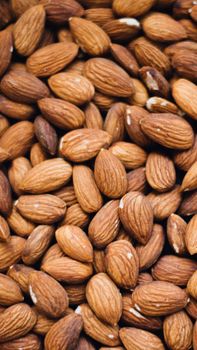
Factory Sells Fresh Healthy Large-Grain Almonds With a Strong Airtight Organic Almond Nuts Dried Raw Almond
$4,800 - $5,000
Good Price
Min. order: 2 Tons
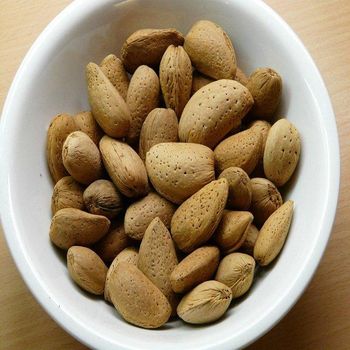
Roasted Almond In Shell Whole Nut Rich Aroma Dry Roast Nut Snack Premium Tree Nut Choice For Bulk Supply
$2,000 - $3,000
Good Price
Min. order: 2 Tons
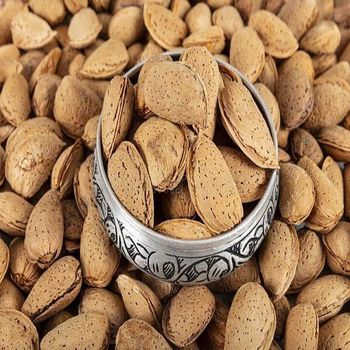
Premium Whole Roasted Almond In Shell Crunch Texture Healthy Nut Snack Natural Taste
$3,200 - $4,200
Good Price
Min. order: 2 Tons
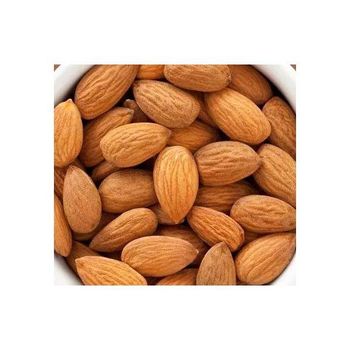

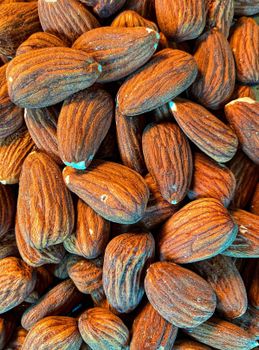
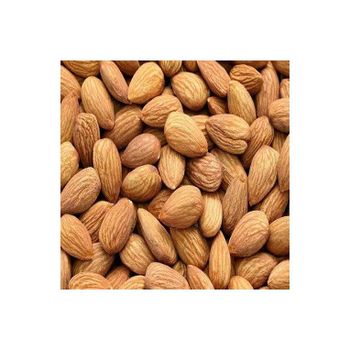
Organic Raw Sweet Almond Nuts Super Hot Selling Fresh Dried Food Snack Bulk Packaging Available Grade 1 25kg pp Bag
$2,240 - $2,650
Good Price
Min. order: 2 Tons


Frequently Asked Questions (FAQs)
Who are the world's leading almond exporters and top global suppliers in the wholesale market?
- The United States, Iran, and Brazil are the top global almond exporters, with the U.S. dominating the market through large-scale production and reliable export infrastructure. Iran is a key player in the global wholesale almond trade, especially for premium varieties, while Brazil supplies high-volume, cost-effective options. These countries serve as key suppliers for international buyers seeking consistent quality and volume. For B2B buyers looking to source almonds for bulk distribution, Freshdi.com offers a trusted platform to connect with verified suppliers and streamline global export operations.
How do I find and verify reliable suppliers for almonds?
To find reliable almond suppliers, start by searching on trusted B2B platforms like Alibaba, Global Sources, or Freshdi.com to access direct manufacturers. Prioritize suppliers with key certifications such as ISO 22000, HACCP, and FDA compliance to ensure food safety and quality. Check critical attributes including moisture content, oil content, size uniformity, and allergen safety. Always request product samples and verify their export history, factory audits, and compliance with organic or non-GMO standards. Use safe payment methods like Letters of Credit or Trade Assurance for wholesale transactions. Confirm their reputation through reviews and cross-reference with industry directories before finalizing sourcing agreements.
What is the typical Minimum Order Quantity (MOQ) for wholesale almonds?
The standard MOQ for wholesale almonds ranges from 500 lbs (227 kg) for commercial buyers to 1,000 lbs (454 kg) for bulk supplier contracts, with larger orders (e.g., 2,000 lbs+) often required for private label or long-term distribution deals. This ensures shipping and processing efficiency, as almonds are typically packed in 40-lb cases or 100-lb bulk bins. Distributors may offer lower MOQs (e.g., 200 lbs) for small retail or food service orders, while direct manufacturers require higher volumes to justify production run efficiency and reduce per-unit costs. Always confirm MOQs with suppliers to align with your wholesale or commercial order needs.
How do I buy wholesale almonds on B2B marketplaces?
To source bulk almonds efficiently, start by identifying verified manufacturers with certifications like ISO 22000 and FDA compliance. Filter suppliers offering consistent quality, with attributes such as roasting method, size (slab or whole), and moisture content. Use Trade Assurance or Letters of Credit to secure payments and ensure import compliance. Specify your volume (e.g., 10–50 metric tons) and shipping terms like FOB or CIF to manage logistics. Always request samples and validate origin to avoid contamination. Platforms like Freshdi.com offer trusted connections to direct suppliers for reliable bulk sourcing and seamless cross-border transactions.
You may like
You may like