2,371 results for “Beverage Processing Line products found from trusted suppliers, wholesalers, manufacturers & exporters”
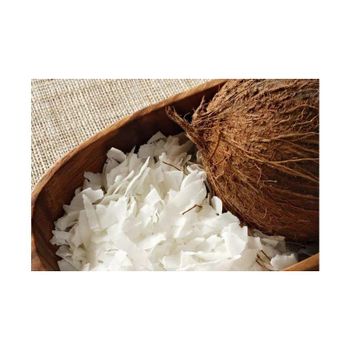


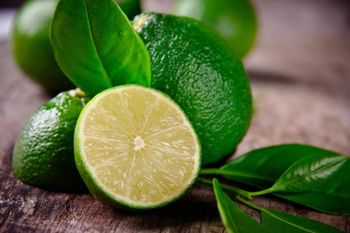
Bulk Fresh Lime with Low Price High Juice Yield Citrus Fruit for Beverage Production and Food Processing
$200 - $300
Good Price
Min. order: 5 Tons

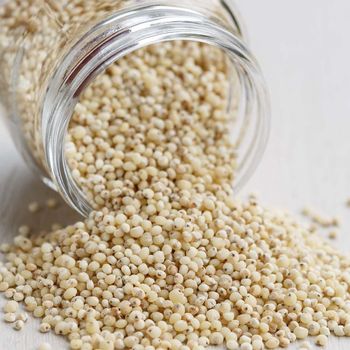
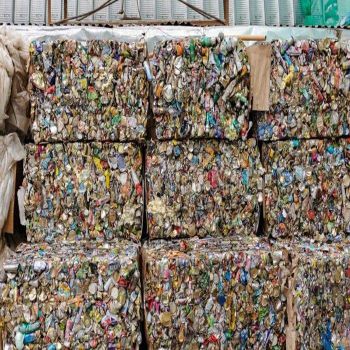
Recycled Aluminum UBC Scrap Used Beverage Can Scrap Compressed Bales for Aluminum Processing Industries
$850 - $1,400
Good Price
Min. order: 10 Tons


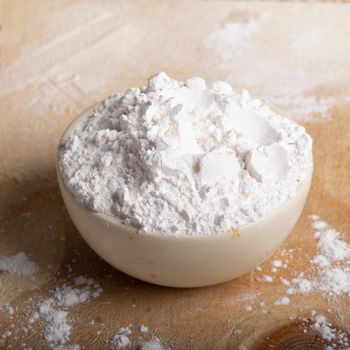
High Quality Tapioca Starch Cassava Starch for Food Processing, Baking, Beverage and Dairy Applications
$400 - $500
Good Price
Min. order: 5 Tons

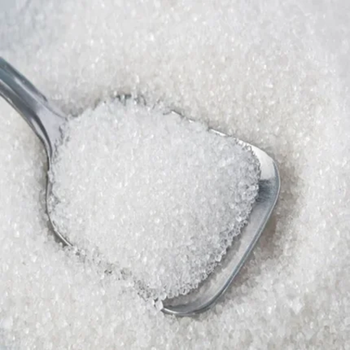
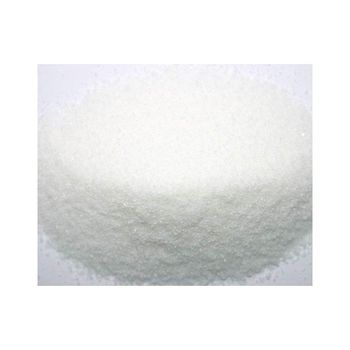
High Purity White Sugar ICUMSA 45 Ideal for Food Processing Baking and Beverage Production
$360
Good Price
Min. order: 1 40-foot Container

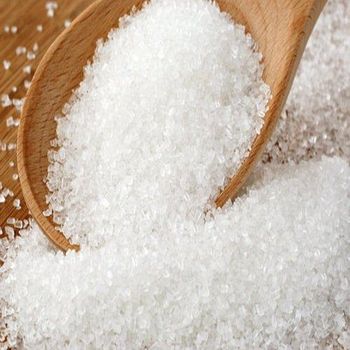
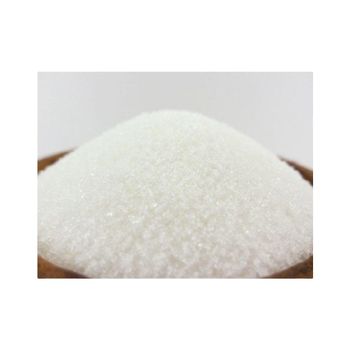
High Purity White Sugar ICUMSA 45 Ideal for Food Processing Baking and Beverage Production
$280
Good Price
Min. order: 1 40-foot Container
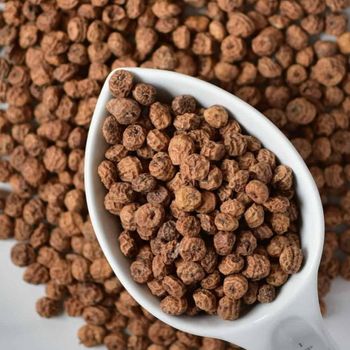
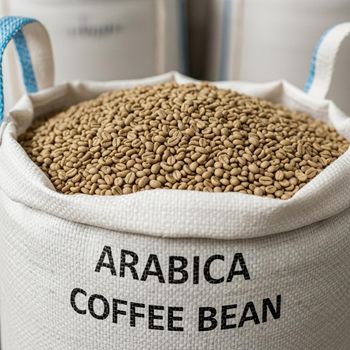
Specialty Arabica Coffee Bean Bulk Trade Fresh Coffee Bean For Coffee Roasters Beverage Processing Companies And Import Businesses
$2,000 - $3,300
Good Price
Min. order: 5 Tons

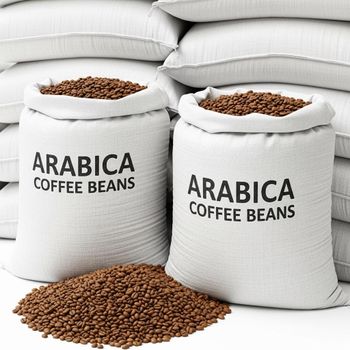
Mountain Grown Arabica Coffee Bean Bulk Distribution Fresh Coffee Bean For Roasters Beverage Processing Companies And Global Buyers
$1,600 - $2,600
Good Price
Min. order: 5 Tons
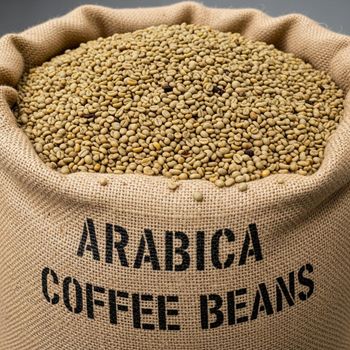
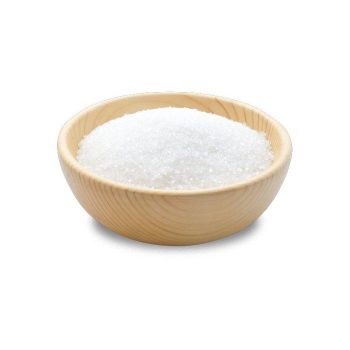
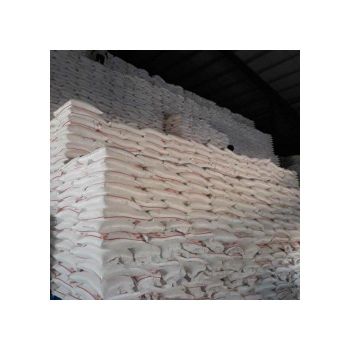
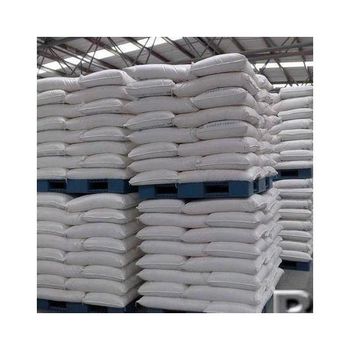
High Grade Brazil Sugar ICUMSA 45 Crystal White Refined Sugar for Beverage Bakery and Industrial Food Processing Applications
$400 - $500
Good Price
Min. order: 5 Tons

Frequently Asked Questions (FAQs)
Who are the top global suppliers of beverage processing lines and what are the key export trends in this sector?
- The world's leading beverage processing line suppliers include China, Germany, and the USA, which dominate the global wholesale market with advanced automation and scalable production systems. These countries are key exporters of bottling, filling, and pasteurization equipment, serving both domestic and international markets. China leads in volume and cost-efficiency, while Germany and the USA offer high-tech, precision-engineered solutions. The global trend shows a strong shift toward energy-efficient, modular, and smart manufacturing systems. Buyers seeking reliable export-grade equipment can explore platforms like Freshdi.com for B2B sourcing.
What is the typical Minimum Order Quantity (MOQ) for beverage processing line equipment?
The standard MOQ for beverage processing line equipment ranges from 500 to 1,000 units for standard machines like fillers or pasteurizers, depending on the model and customization. Commercial buyers often require bulk supplier orders of 20ft container quantities (approx. 10–20 units) to optimize shipping and production run efficiency. Direct manufacturers typically set higher MOQs—up to 500 units—for custom lines to cover tooling and setup costs. Smaller distributors may offer lower MOQs (e.g., 50–100 units) for pilot or testing orders, but these are usually limited to non-automated or semi-custom systems. Always verify pricing and lead times with a wholesale supplier for commercial orders.
How do I buy wholesale Beverage Processing Line on B2B marketplaces?
To source wholesale beverage processing lines, start by identifying verified manufacturers with ISO 22000, HACCP, and FDA certifications. Filter suppliers offering bulk sourcing options with clear technical specs—such as bottling capacity, material compatibility, and automation levels. Use Trade Assurance or Letters of Credit for secure payments, and confirm FOB or CIF shipping terms to manage import compliance. Always verify compliance with local regulations and request detailed technical documentation. Platforms like Freshdi.com offer direct access to vetted suppliers with proven production capacity and global logistics support.
How do I find and verify reliable suppliers for Beverage Processing Line?
To find reliable beverage processing line suppliers, use trusted B2B platforms like Alibaba, Global Sources, and Freshdi.com to access direct manufacturers. Prioritize suppliers with ISO 9001, HACCP, and FDA compliance certifications to ensure quality and safety. Key attributes to check include material safety, hygiene design, automation level, and energy efficiency. Always request product samples and conduct factory audits or video inspections. Secure payments via Letters of Credit or Trade Assurance to protect wholesale transactions. Verify their export history, production capacity, and compliance with food safety standards before finalizing sourcing agreements.
You may like
You may like