3,026 results for “Canola Oil products found from trusted suppliers, wholesalers, manufacturers & exporters”
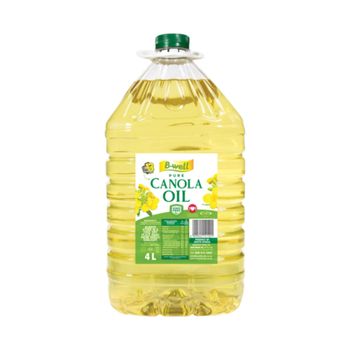

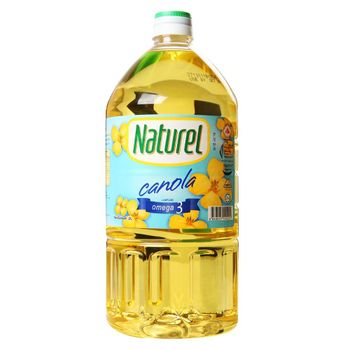
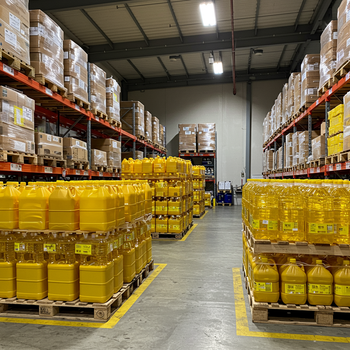
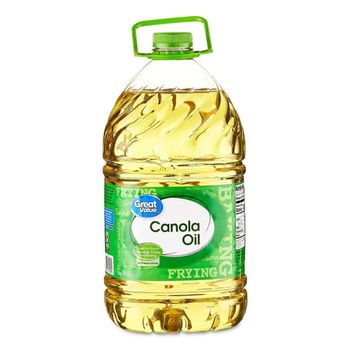
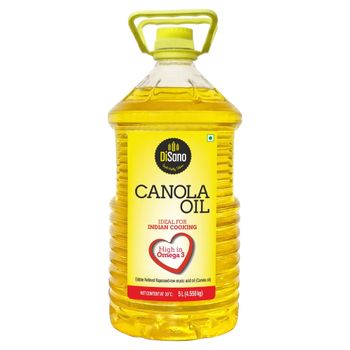

Fast Delivery Buy Wholesale Organic Pure Refined Rapeseed Canola Oil Crude Degummed Rapeseed Oil Premium Quality Oil
$700 - $1,000
Good Price
Min. order: 5 Tons


Natural Organic Fractionated Refined Canola Oil Bulk Export Wholesale Supplier for Grocery Stores Food Manufacturers
$800 - $1,200
Good Price
Min. order: 5 Tons
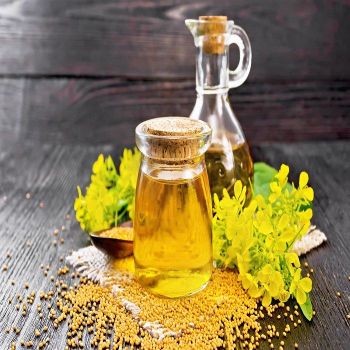
Best Quality Organic Refined Canola Oil Fractionated Cooking Oil Grade Canola 5L Bulk Plastic Bottle Household Use
$700 - $900
Good Price
Min. order: 5 Tons
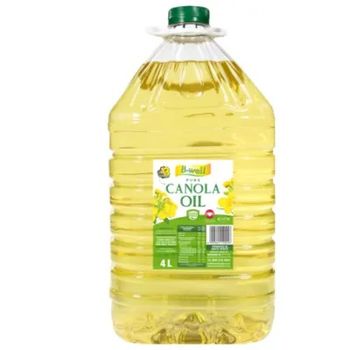

High Quality 100% Purity Refined Canola Oil Excellent Grade Cooking Use 2 Year Shelf Life Normal Temperature Storage
$800 - $1,000
Good Price
Min. order: 5 Tons

Top Grade 100% Pure Refined Canola Oil Food-Grade Rapeseed Oil for Cooking Baking Frying with Long Shelf Life 24 Months
$700 - $900
Good Price
Min. order: 5 Tons
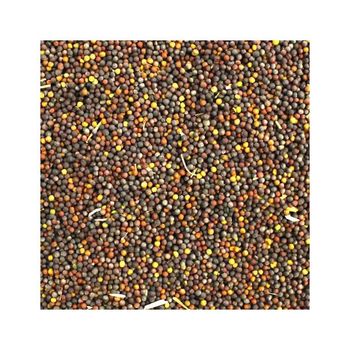

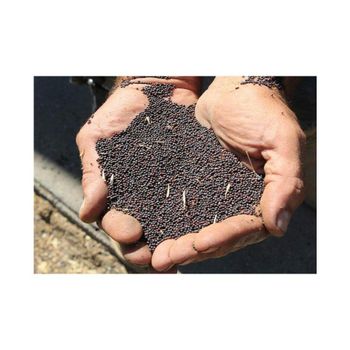
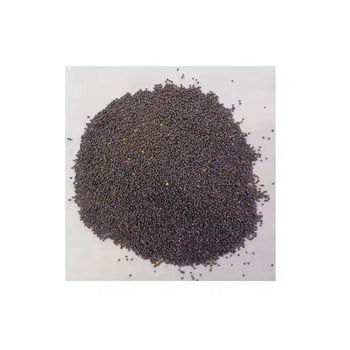
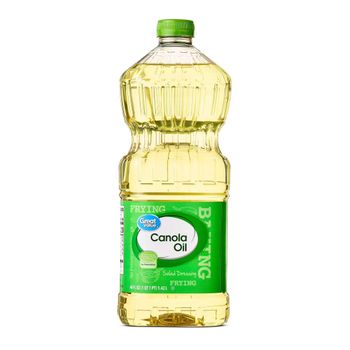
Bulk Canola Oil Powder Refined And Refined Rapeseed Oil Crude Canola Oil In Bulk Wholesale For Sale In bulk
$740 - $940
Min. order: 5 Tons

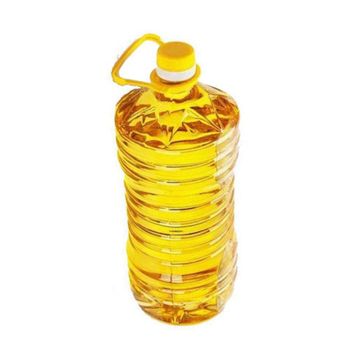
Premium Refined Canola Oil/100% Refined Rapeseed Oil 100% Purity Healthcare Benefits Fractionated 5L Bulk Packaging
$720 - $970
Good Price
Min. order: 5 Tons
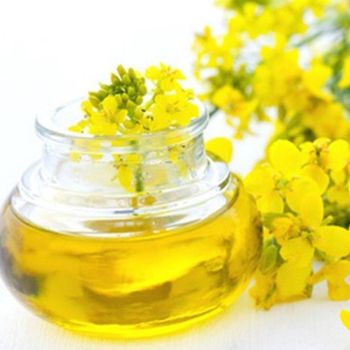
Refined Re-Processed Canola Oil Natural Premium 10% Purity 100L 24-Month Shelf Life Cooking Oil
$600 - $880
Good Price
Min. order: 5 Tons
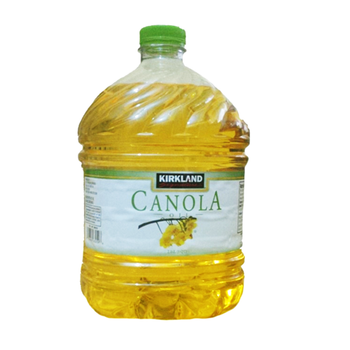
Manufacturer Supplies 100% Pure Natural Refined Organic Food-grade Canola Oil in Bulk Wholesale Price
$640 - $880
Good Price
Min. order: 5 Tons
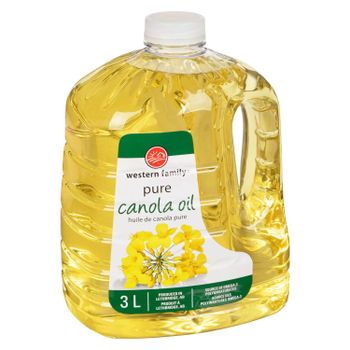
Organic Refined Canola Oil Fractionated Plastic Bottle Grade a 99% Purity 1L for Cooking
$1,760 - $1,850
Good Price
Min. order: 2 Tons
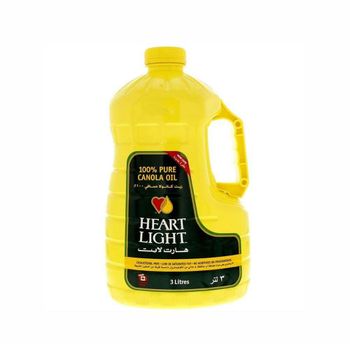
Factory Direct Bulk Canola Oil Wholesale Premium Refined High Smoke Point For Frying Sale
$680 - $880
Good Price
Min. order: 5 Tons
Frequently Asked Questions (FAQs)
Who are the world's leading canola oil exporters and top global suppliers in the wholesale market?
Canada and China are the top global canola oil exporters, with Canada dominating the market due to its vast agricultural production and strong export infrastructure. China is a key player in both domestic consumption and international wholesale trade, supplying major markets in Asia and Europe. The global trend shows rising demand for canola oil in health-conscious food products and industrial applications. Buyers seeking reliable, high-volume export options should consider sourcing through major B2B platforms like Freshdi.com for seamless wholesale procurement.
How do I find and verify reliable suppliers for Canola Oil?
To find reliable canola oil suppliers, use trusted B2B platforms like Alibaba, Global Sources, and Freshdi.com to access direct manufacturers. Prioritize suppliers with ISO 22000, HACCP, and FDA compliance certifications, and verify their reputation through export history, customer reviews, and product samples. Key attributes to check include free fatty acid content, peroxide value, and refining process. Always request lab reports and conduct factory audits. Secure transactions via Letters of Credit or Trade Assurance to ensure compliance and safety. Confirm wholesale pricing, MOQs, and delivery timelines before finalizing sourcing agreements.
How do I buy wholesale canola oil on B2B marketplaces?
To source bulk canola oil efficiently, start by identifying verified manufacturers with ISO 22000 and HACCP certifications to ensure food safety and import compliance. Filter suppliers offering transparent product attributes—such as refining level (refined, crude), viscosity, and iodine value—aligned with your application (e.g., cooking, industrial). Use Trade Assurance or Letters of Credit for secure transactions, and confirm shipping terms like FOB or CIF. Specify your volume needs and request samples before finalizing. Platforms like Freshdi.com offer trusted access to verified manufacturers for reliable bulk sourcing with full compliance documentation.
What is the typical Minimum Order Quantity (MOQ) for wholesale canola oil?
The standard MOQ for wholesale canola oil ranges from 50 to 200 liters for commercial buyers, with larger industrial clients often requiring 1,000 liters or more to justify shipping and storage logistics. Distributors typically set a 50L minimum for bulk supplier orders, while direct manufacturers may accept smaller commercial orders (e.g., 100L) for private label or food service use. Smaller retail or foodservice buyers may find flexible MOQs through regional bulk suppliers, though per-unit pricing increases with lower volumes. Higher volumes improve cost efficiency and reduce handling costs for both supplier and buyer.
You may like
You may like