1,463 results for “Cylindrical Grinding Machine products found from trusted suppliers, wholesalers, manufacturers & exporters”
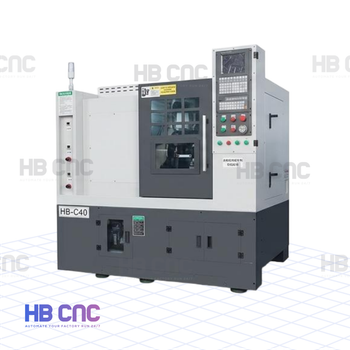
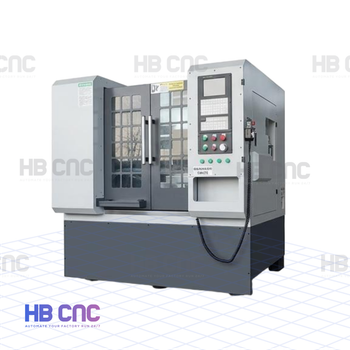
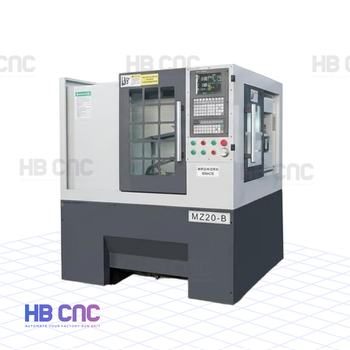
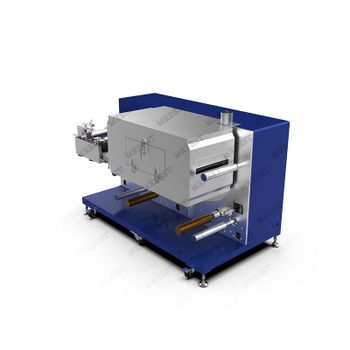
MRBEST Roll-To-Roll Continuous & Intermittent Coating Machine With Drying Oven for Electrodes Cylindrical Battery Research
$27,800 - $29,000
Good Price
Min. order: 1 Set




Frequently Asked Questions (FAQs)
How do I buy wholesale Cylindrical Grinding Machine on B2B marketplaces?
To source bulk Cylindrical Grinding Machines, start by identifying verified manufacturers with ISO 9001 and CE certifications, ensuring import compliance and technical specifications like grinding accuracy, spindle speed, and workpiece diameter. Use B2B platforms like Freshdi.com to compare pricing, delivery terms (e.g., FOB Shanghai), and payment security (e.g., Trade Assurance). Always request detailed technical specs and factory audits to confirm machine performance and durability. Negotiate bulk pricing with MOQs typically ranging from 1–5 units, and ensure shipping terms cover customs clearance and international logistics.
What is the typical Minimum Order Quantity (MOQ) for cylindrical grinding machines?
The standard MOQ for cylindrical grinding machines ranges from 1 to 5 units for direct manufacturers, with commercial orders often starting at 3 units to justify production setup and tooling costs. Wholesale buyers typically require 10–20 units to optimize shipping and logistics efficiency, especially for bulk supplier agreements. Smaller distributors may offer lower MOQs (e.g., 2–3 units) for pilot orders or test runs, while large industrial clients often commit to 50+ units for long-term commercial orders to ensure cost-effective manufacturing and maintenance planning.
Who are the world's leading suppliers of cylindrical grinding machines and what are the key export trends in this sector?
Germany, Japan, and the United States dominate the global cylindrical grinding machine market, with companies like DMG MORI, Okuma, and Mazak leading in innovation and export volume. These manufacturers are top global suppliers in the wholesale B2B sector, serving industrial clients across Asia, North America, and Europe. The trend shows a strong demand for high-precision, automated grinding solutions, with Asia emerging as a key export destination. Buyers seeking reliable wholesale access to advanced grinding equipment can find extensive options through platforms like Freshdi.com.
How do I find and verify reliable suppliers for Cylindrical Grinding Machine?
To find reliable Cylindrical Grinding Machine suppliers, use trusted B2B platforms like Alibaba, Global Sources, and Freshdi.com to access verified wholesale manufacturers. Prioritize suppliers with ISO 9001 and ISO 13849 certifications for quality and safety compliance. Check key attributes such as precision accuracy, spindle rigidity, automation features, and cooling systems. Always request product samples and factory audits to assess reputation and production capacity. Secure transactions via Letters of Credit or Trade Assurance to ensure payment safety. Validate their export history, technical documentation, and compliance with international standards before finalizing sourcing agreements.
You may like
You may like