10,000+ results for “Dairy & Milk Products products found from trusted suppliers, wholesalers, manufacturers & exporters”

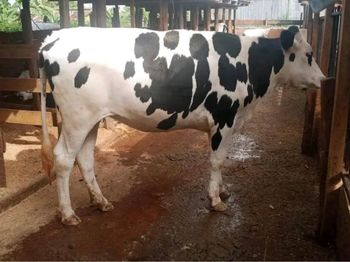
Healthy Holstein Friesian Cows Excellent Milk Production Strong Body Condition Buy Premium Dairy Livestock
$2,000 - $2,500
Good Price
Min. order: 5 Tons

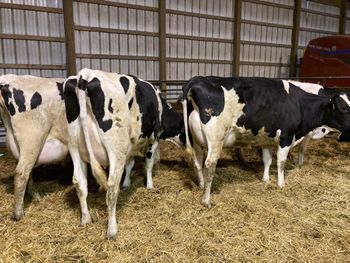
Premium Holstein Friesian Cows High Milk Production Healthy Breeding Stock Excellent Dairy Performance Wholesale Price A
$2,000 - $3,000
Good Price
Min. order: 5 Piece
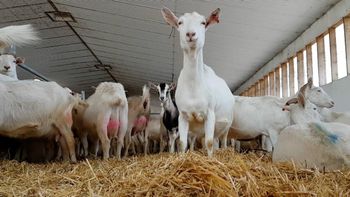
Natural Live Milking Saanen Goats Well Fed Healthy Dairy Breed Offering Consistent Milk Production Buy Today
$750 - $850
Good Price
Min. order: 10 Piece
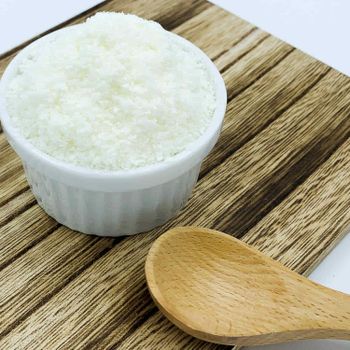

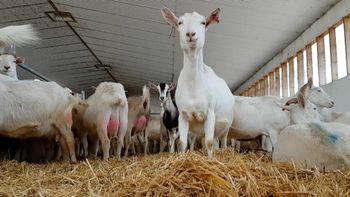
Genuine Live Milking Saanen Goats Premium Dairy Livestock With Strong Genetics And High Milk Performance Buy Now
$650 - $750
Good Price
Min. order: 10 Piece
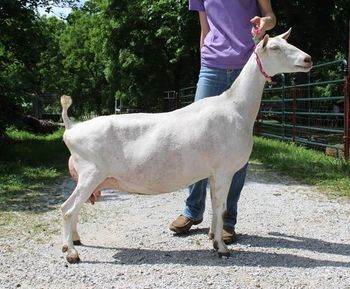
Superior Live Milking Saanen Goats Farm Raised Healthy Dairy Livestock With Excellent Milk Output Cheap Price Offer
$300 - $400
Good Price
Min. order: 10 Piece
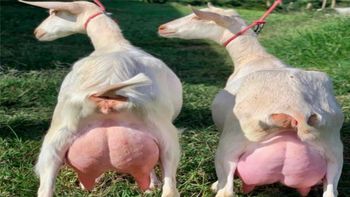
Premium Live Milking Saanen Goats Healthy Dairy Breed With High Milk Production Farm Raised Excellent Quality Wholesale
$700 - $1,200
Good Price
Min. order: 1 Piece
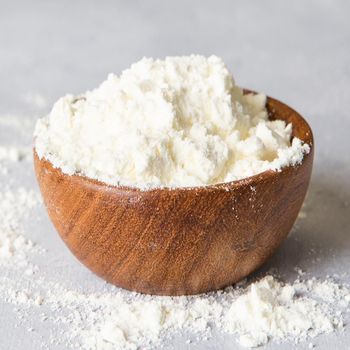
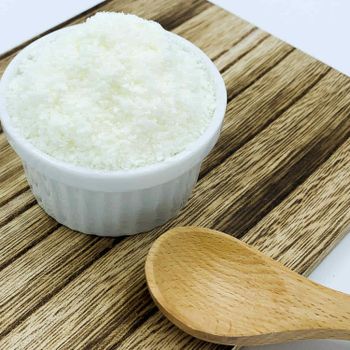
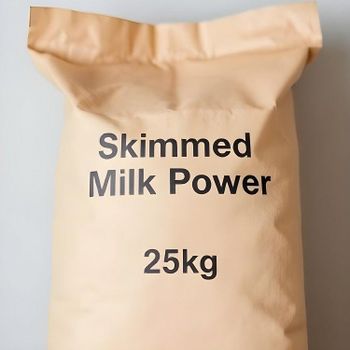
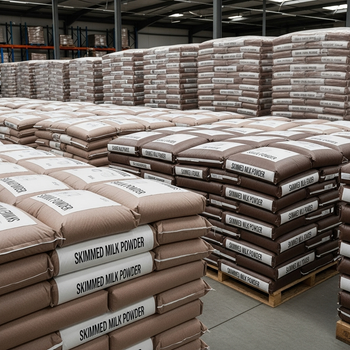

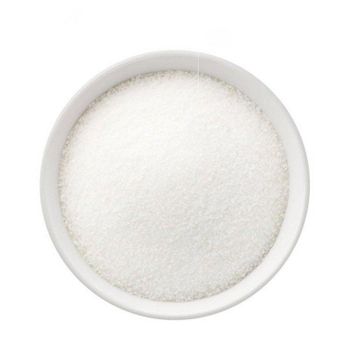
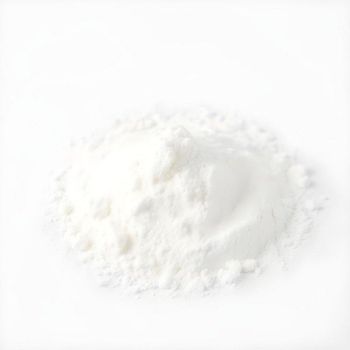
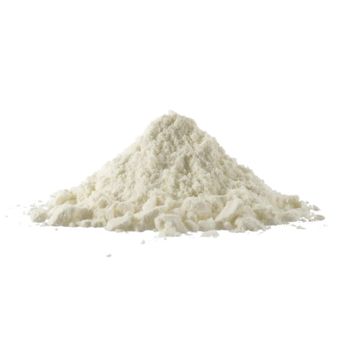
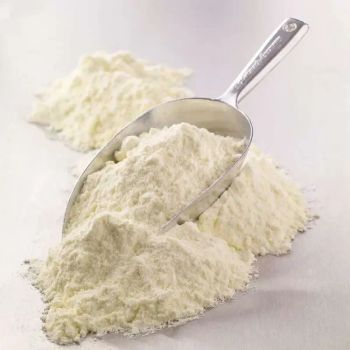
Order Premium Quality Dairy America Full Cream skimmed Milk Powder Discount Price 25kg/50kg
$2,000 - $3,000
Good Price
Min. order: 5 Tons
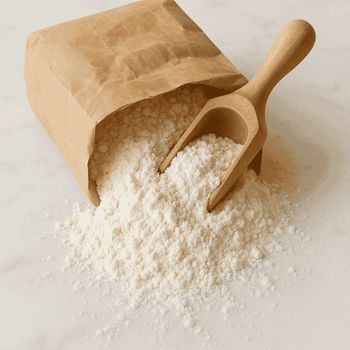
Skimmed Milk Powder Bulk Supply White Fine Powder Premium Quality High Protein Dairy Food Processing Sterilized Bag/
$1,500 - $2,000
Good Price
Min. order: 5 Tons
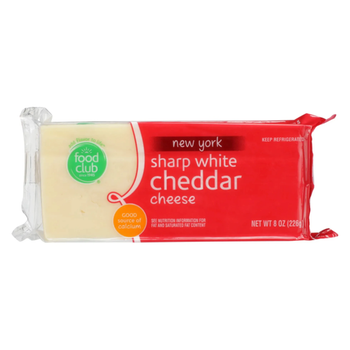
Farmhouse Cheddar Cheese | Fresh Dairy Products for Foodservice & Retail Supply
$200 - $240
Min. order: 24 Tons

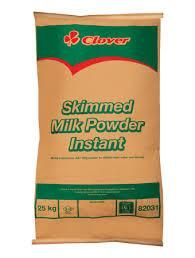

Frequently Asked Questions (FAQs)
Who are the world's leading dairy & milk product exporters and top global suppliers in the wholesale market?
- The global dairy market is dominated by India, the world's largest milk exporter, followed by the United States, Germany, and Australia. These countries lead in export volumes of skim milk powder, cheese, and liquid milk, serving major wholesale buyers across Asia, Europe, and the Middle East. Key players include Amul (India), Dairy Farmers of America (USA), and Danone (France), which control significant market share. The trend shows rising demand for plant-based alternatives and sustainable dairy products. Buyers seeking reliable export supply can access bulk dairy products through platforms like Freshdi.com.
What is the typical Minimum Order Quantity (MOQ) for wholesale dairy & milk products?
The standard MOQ for wholesale dairy & milk products ranges from 500 to 2,000 liters (100–440 gallons) for bulk suppliers, depending on product type. Fluid milk and UHT products often start at 1,000 liters per order to optimize refrigerated shipping and production run efficiency. Cream and cheese typically require 500–1,000 lbs per commercial order. Direct manufacturers offer lower MOQs (e.g., 200–500 liters) for long-term buyers, while small distributors may enforce $1,000–$5,000 minimums. Larger commercial orders ensure cost-effective logistics and reduce per-unit pricing for retailers and foodservice providers.
How do I buy wholesale Dairy & Milk Products on B2B marketplaces?
To source bulk dairy & milk products, start by identifying verified manufacturers with ISO 22000 and HACCP certifications and proven import compliance. Filter suppliers offering direct production, clear product attributes (e.g., fat content, lactose levels, UHT processing), and transparent pricing. Use Trade Assurance or Letters of Credit for secure transactions, and confirm shipping terms like FOB or CIF to manage logistics and costs. Always verify cold chain requirements for perishable items and request samples before bulk orders. Platforms like Freshdi.com connect buyers with trusted suppliers for compliant, scalable dairy sourcing.
How do I find and verify reliable suppliers for Dairy & Milk Products?
To find reliable dairy & milk suppliers, use trusted B2B platforms like Alibaba, Global Sources, and Freshdi.com to access direct manufacturers. Prioritize suppliers with key certifications such as ISO 9001, HACCP, and FDA compliance to ensure food safety and quality. Check their reputation by reviewing client feedback, export history, and product consistency. Essential attributes include fat content, shelf life, and pasteurization methods. Always request samples and verify production facilities through factory audits. Secure payments via Letters of Credit or Trade Assurance to protect your wholesale investment. A reliable sourcing process includes verifying compliance, confirming MOQs, and ensuring cold chain logistics for freshness.
You may like
You may like