8,384 results for “Dates products found from trusted suppliers, wholesalers, manufacturers & exporters”
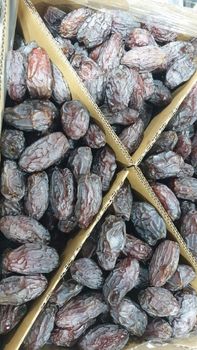



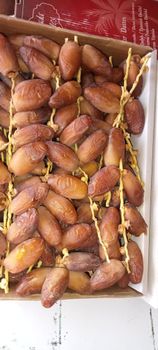

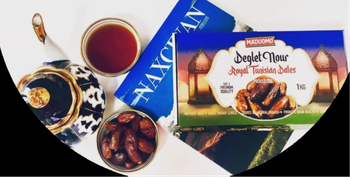

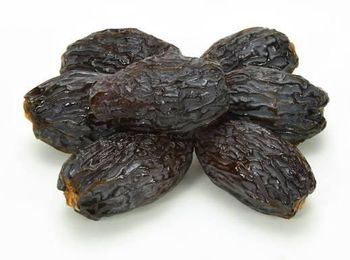

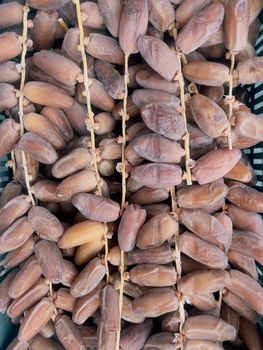
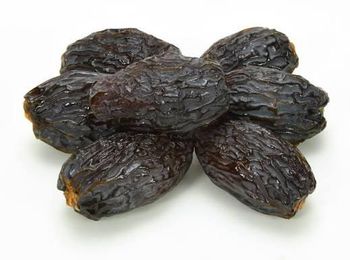

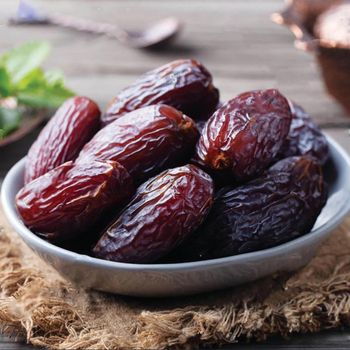
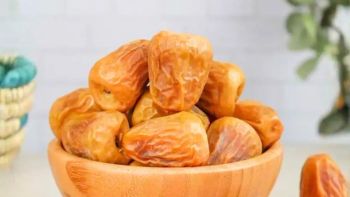
Premium Quality Organic Sweet Dates | 100% Natural | Bulk Packaging | Customizable | Wholesale
$2,000 - $2,750
Good Price
Min. order: 5 Tons

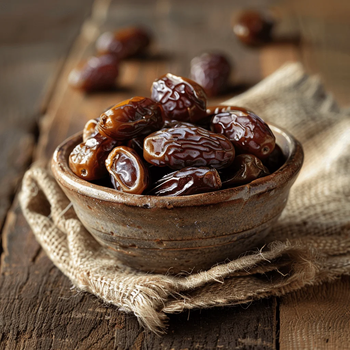
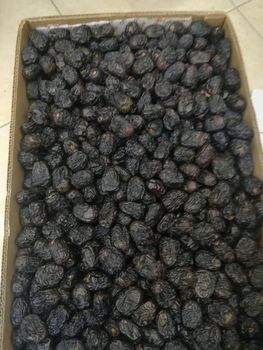
High Quality Organic GMO Sweet Dried Dates 25kg Bulk Vacuum Pack No Chemical Preservatives
$1,600 - $2,050
Good Price
Min. order: 5 Tons
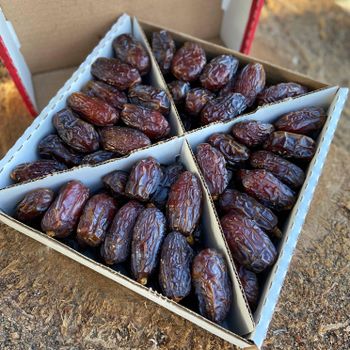
Premium Organic Sweet 100% Natural Dried Dates No Chemical Preservatives Vacuum Pack Competitive Factory Price
$1,450 - $1,800
Good Price
Min. order: 5 Tons
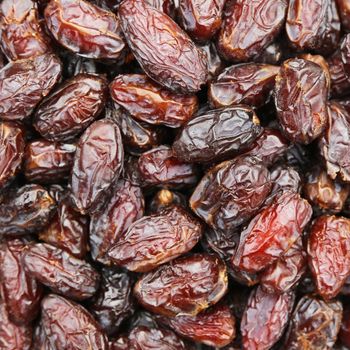
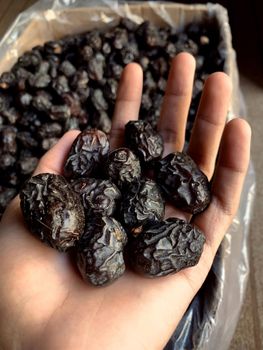
Natural Dried Organic Sweet Dates (Mazafati Barhi) | Custom Packaging Available | Premium Export Grade
$1,600 - $2,200
Good Price
Min. order: 5 Tons
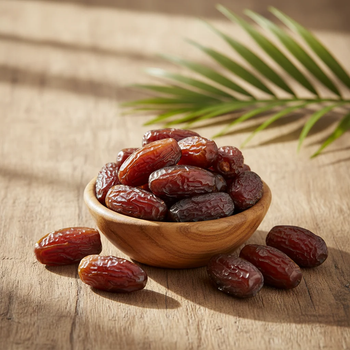
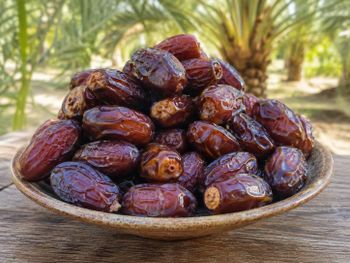
Sweet Red Dates Natural Organic Dried 25kg Bulk Vacuum Pack No Chemical GMO Friendly High Quality
$1,200 - $1,800
Good Price
Min. order: 5 Tons






Frequently Asked Questions (FAQs)
Who are the world's leading date exporters and top global suppliers in the wholesale market?
- Egypt, Saudi Arabia, and Iran are the top global date exporters, with Egypt leading in volume and quality, followed by Saudi Arabia’s vast production and export infrastructure. These countries dominate the global wholesale market, supplying key details on premium varieties like Medjool and Sukkari. The Middle East and North Africa region is a key hub for date export, with strong trade links to Europe, the U.S., and the Middle East. Buyers seeking reliable bulk sourcing and export partnerships can access verified suppliers through platforms like Freshdi.com.
What is the typical Minimum Order Quantity (MOQ) for wholesale dates?
The standard MOQ for wholesale dates ranges from 500 to 2,000 kg (1,100 to 4,400 lbs) for commercial orders, with larger bulk suppliers often requiring 10–20 metric tons for long-term contracts. This ensures efficient production run efficiency and shipping cost optimization. Smaller distributors may offer lower MOQs (e.g., 100–500 kg) for retail or food service buyers, while direct farms or exporters typically require commercial orders of 500 kg or more to justify container logistics and quality control. Bulk purchases from a trusted supplier offer better pricing and consistent supply for restaurants, bakeries, and retail chains.
How do I buy wholesale dates on B2B marketplaces?
To buy wholesale dates, start by identifying verified manufacturers with ISO 22000 and HACCP certifications to ensure food safety and quality. Use B2B platforms like Freshdi.com to compare suppliers offering bulk sourcing options with transparent pricing, MOQs, and shipping terms such as FOB or DAP. Always verify import compliance, including phytosanitary certificates and customs regulations, to avoid delays. Request samples to confirm sweetness, texture, and ripeness, and negotiate payment terms like Letters of Credit for secure transactions. Prioritize suppliers with proven export history and reliable logistics to maintain freshness during international delivery.
How do I find and verify reliable suppliers for Dates?
To find reliable wholesale date suppliers, search trusted B2B platforms like Alibaba, Global Sources, and Freshdi.com to access direct manufacturers. Verify reputation by checking for key certifications such as ISO 9001, HACCP, and organic (if applicable), and ensure compliance with food safety and export standards. Key attributes to evaluate include moisture content, sugar levels, size uniformity, and shelf life. Always request samples and conduct factory audits or video inspections. Secure payments via Letters of Credit or Trade Assurance to protect your investment. A reliable sourcing process includes verifying export history, MOQs, and delivery timelines to ensure consistent quality and supply.
You may like
You may like