10,000+ results for “Fresh Coconut products found from trusted suppliers, wholesalers, manufacturers & exporters”
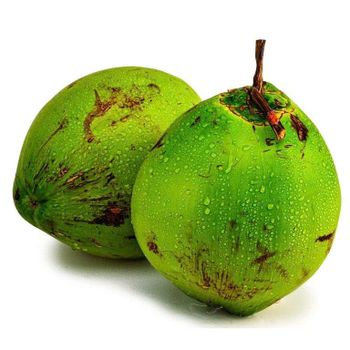


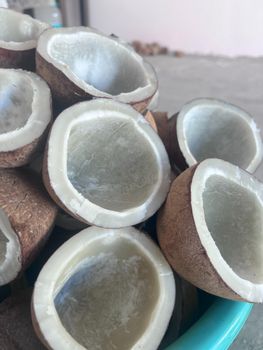
Farm Fresh Dried Coconut Copra Rattan Skin Natural Coconut Bulk Wholesale Export Supplier
$1,000 - $1,500
Good Price
Min. order: 5 Tons

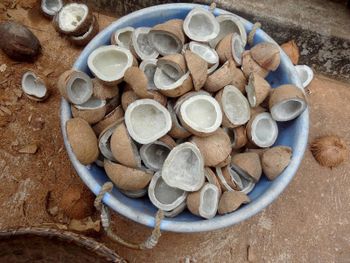
Best Quality Fresh Coconut Copra Ball with Pulp Oil Content 60-63% 1st Grade 12 Months Shelf Life
$1,000 - $1,500
Good Price
Min. order: 5 Tons
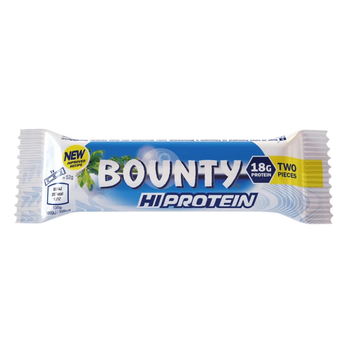
Fresh Bounty 85g Chocolate Coconut Bar Excellent Quality Wholesale Price Rich Coconut Flavor And Smooth Chocolate
$21 - $28
Good Price
Min. order: 100 Box

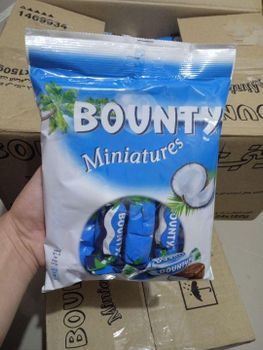
Quality Bounty 150g Chocolate Coconut Snack Fresh Delicious Taste Wholesale Price Special Offer
$18.5 - $22
Good Price
Min. order: 100 Box
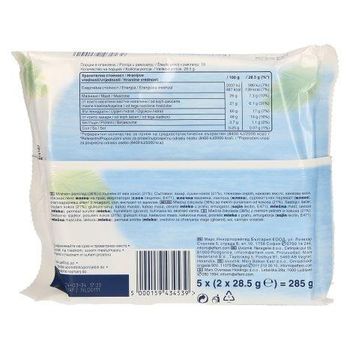
Perfect Bounty 285g Coconut Chocolate Treat Excellent Quality Wholesale Price High Quality Fresh Stock Available
$15.5 - $22
Good Price
Min. order: 100 Box
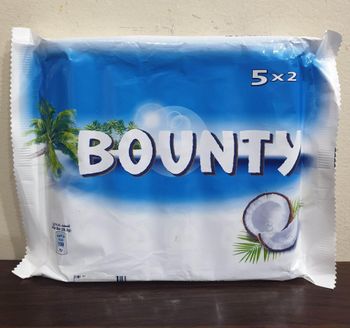
Amazing Bounty 285g Chocolate Coconut Delight Excellent Quality Wholesale Price Fresh Premium Taste Every Time
$24 - $30
Good Price
Min. order: 100 Box
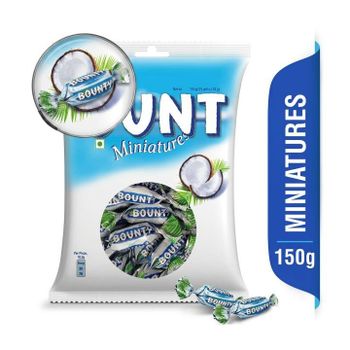
Exclusive Bounty 150g Sweet Coconut Chocolate Bar Fresh Stock Excellent Quality Wholesale Price Offer
$24 - $28
Good Price
Min. order: 100 Box
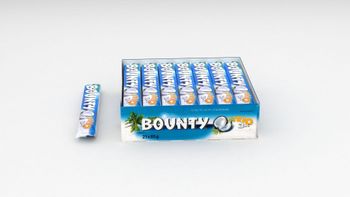
Delicious Bounty 85g Chocolate Coconut Bar Excellent Quality Wholesale Price Fresh Taste And Smooth Texture
$0.95 - $1.2
Good Price
Min. order: 100 Piece
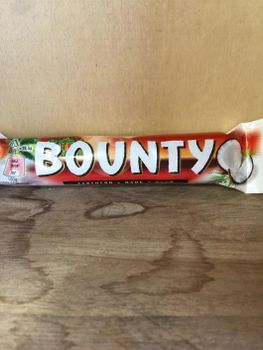
Amazing Bounty 57g Smooth Chocolate Coconut Treat Fresh Stock Excellent Quality Wholesale Price
$20 - $25
Good Price
Min. order: 100 Box
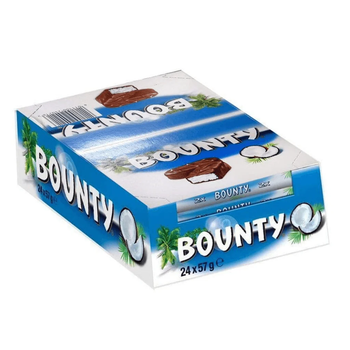
Fresh Bounty 57g Coconut Chocolate Bar Smooth Milk Chocolate Treat Excellent Quality Wholesale Price Deal
$32 - $35.5
Good Price
Min. order: 100 Box
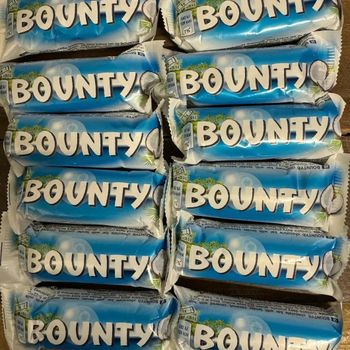
Finest Bounty 28.5g Coconut Filled Chocolate Bar Excellent Quality Wholesale Price Fresh Stock Ready To Order
$28 - $32
Good Price
Min. order: 100 Box
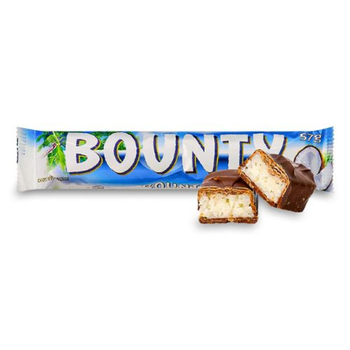
Fresh Bounty 28.5g Coconut Chocolate Treat Rich Milk Chocolate Flavor Excellent Quality Wholesale Price Limited Offer
$24 - $30
Good Price
Min. order: 100 Box

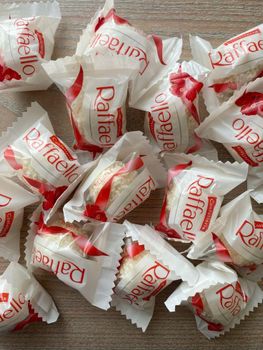
Original Raffaello Coconut Almond Crispy Candy Fresh Premium Quality Wholesale Price Great Value
$16 - $20
Good Price
Min. order: 100 Carton
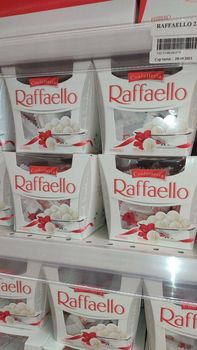
Classic Raffaello Rich Coconut Coated Almond Cream Candy Fresh Delicious Excellent Quality Wholesale Price
$22 - $28.5
Good Price
Min. order: 100 Box
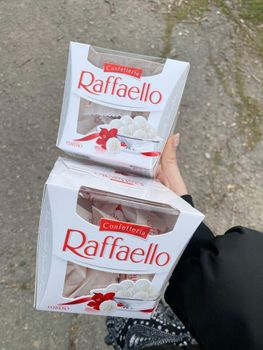
Fresh Raffaello Gourmet Coconut Almond Wafer Candy Smooth Cream Filling Excellent Quality Wholesale Price
$12 - $16
Good Price
Min. order: 100 Box
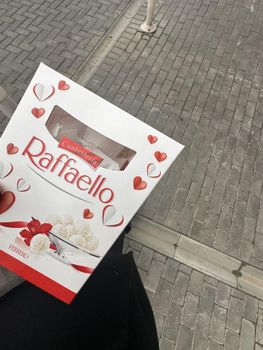
Authentic Raffaello Sweet Coconut Almond Ball Crispy Wafer Delight Excellent Quality Wholesale Price Fresh Supply
$21.5 - $28
Good Price
Min. order: 100 Box
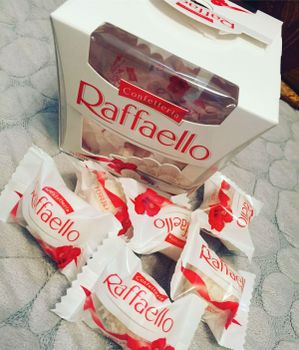
Premium Raffaello Crispy Coconut Almond Cream Wafer Candy Excellent Quality Wholesale Price Fresh Sweet Gift Treat
$6.2 - $9
Good Price
Min. order: 100 Box

Frequently Asked Questions (FAQs)
Who are the world's leading fresh coconut exporters and top global suppliers in the wholesale market?
- Indonesia, Philippines, and Malaysia are the top global fresh coconut exporters, dominating the market with large-scale production and reliable export infrastructure. These countries serve as key suppliers for B2B buyers seeking high-volume, quality coconuts for food, beverage, and industrial use. The region's strong export network supports global demand, especially in Asia, the Middle East, and Europe. Buyers looking for consistent supply and bulk sourcing can access these top producers through platforms like Freshdi.com.
How do I buy wholesale Fresh Coconut on B2B marketplaces?
To source bulk fresh coconut wholesale, start by identifying verified manufacturers with import compliance certifications (e.g., ISO 22000, HACCP) and verified supplier status on B2B platforms. Specify your requirements—such as size (e.g., medium or large coconuts), moisture content, and packaging—when submitting a Request for Quotation (RFQ). Negotiate terms like FOB shipping, payment via Letters of Credit, and clear logistics timelines to ensure quality and delivery. Always verify freshness, ripeness, and storage conditions. For reliable sourcing, consider platforms like Freshdi.com that connect buyers with trusted producers.
What is the typical Minimum Order Quantity (MOQ) for wholesale fresh coconut?
The standard MOQ for wholesale fresh coconut is typically 500 coconuts per commercial order or 10–20 ft container load, depending on the supplier. Larger distributors and bulk suppliers require these volumes to optimize shipping and refrigeration logistics, while direct farm-to-market suppliers may offer lower MOQs (e.g., 100–200 coconuts) for small commercial orders. For private label or branded products, MOQs can rise to 500–1,000 units to cover packaging and handling costs. Smaller buyers often find flexibility through regional suppliers or seasonal bulk deals.
How do I find and verify reliable suppliers for Fresh Coconut?
To find reliable fresh coconut suppliers, use trusted B2B platforms like Alibaba, Global Sources, and Freshdi.com to access direct manufacturers. Prioritize suppliers with ISO 22000, HACCP, and organic certifications to ensure food safety and quality. Check key attributes such as moisture content, size consistency, and freshness indicators. Verify reputation through export history, customer reviews, and factory audits. Always request samples and confirm compliance with international standards. For secure transactions, use Letters of Credit or Trade Assurance. Ensure wholesale pricing aligns with MOQs and delivery timelines to support sustainable sourcing.
You may like
You may like