10,000+ results for “Indian Basmati Rice products found from trusted suppliers, wholesalers, manufacturers & exporters”

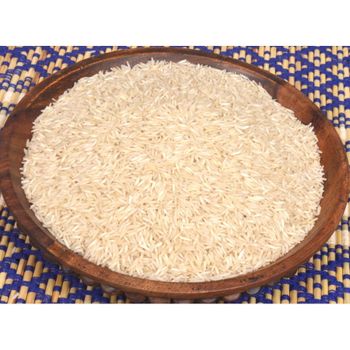
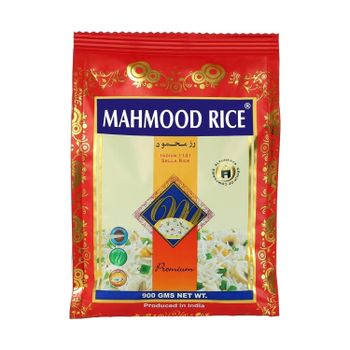
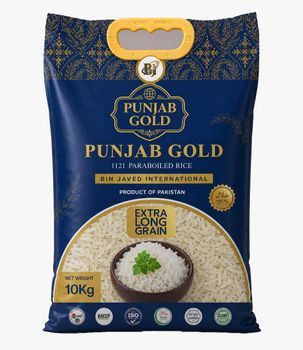
Mahmood Rice 1121 Basmati Weißer Langkornres mit 100% Extra Aroma Mahmood Reis Hygienisch verpackt Für Großbestellungen
$965 - $970
Good Price
Min. order: 5 Tons

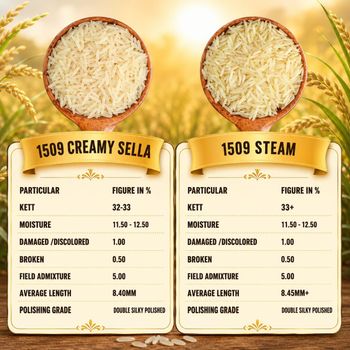

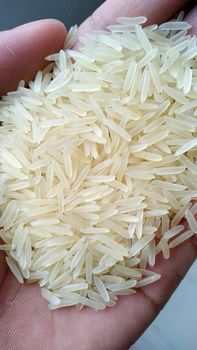
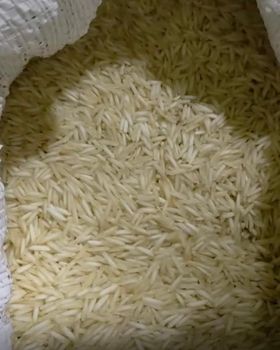
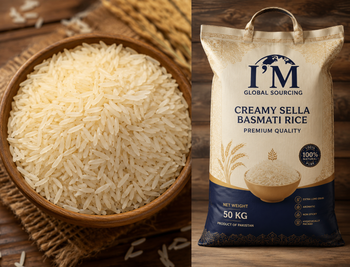

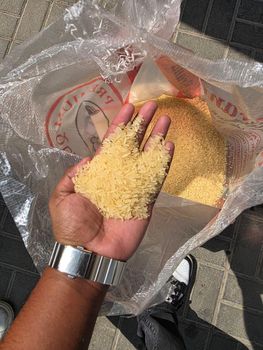
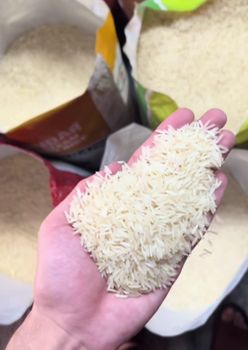
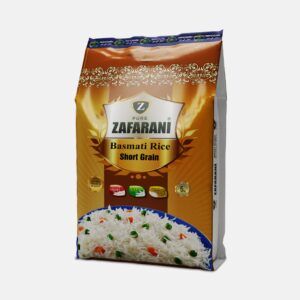
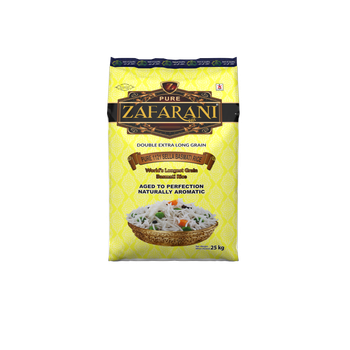
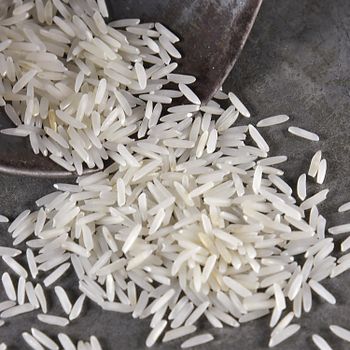
Carefully Sorted Premium Basmati Rice Offering Aged Grain Texture For Bulk Export Orders
$640
Good Price
Min. order: 5 Tons

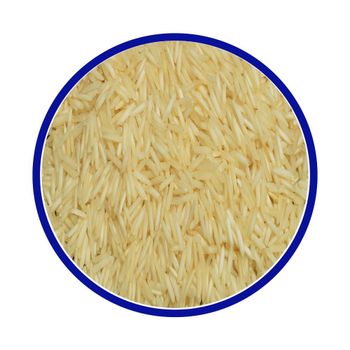
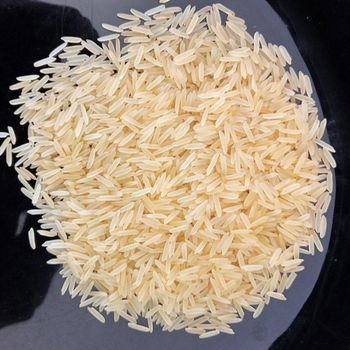
Golden Harvested Grain Collection Featuring Basmati Rice With Rich Fragrance For Import Buyers
$720
Good Price
Min. order: 5 Tons
Frequently Asked Questions (FAQs)
How do I find and verify reliable suppliers for Indian Basmati Rice?
To find reliable Indian Basmati Rice suppliers, use trusted B2B platforms like Alibaba, Global Sources, and Freshdi.com to access direct manufacturers. Prioritize suppliers with key certifications such as APEDA, ISO 9001, and FSSAI to ensure compliance and quality. Check critical attributes including grain length, aroma, moisture content, and foreign material levels. Always request product samples and verify export history before committing. Secure transactions via Letters of Credit or Trade Assurance for safety. Conduct factory audits or on-site visits to validate reputation and sourcing capabilities. Focus on wholesale pricing with transparent MOQs and delivery terms to ensure long-term reliability.
How do I buy wholesale Indian Basmati Rice on B2B marketplaces?
To buy wholesale Indian Basmati Rice, start by selecting a trusted B2B platform with verified manufacturers and import compliance documentation. Filter for suppliers offering certifications like ISO 22000 and FSSAI, ensuring grain quality, aroma, and long-grain characteristics meet your standards. Use bulk sourcing options with MOQs starting at 1 ton, and negotiate terms like FOB shipping and Trade Assurance for secure payment. Always request samples to verify grain length, moisture content, and color. For reliable sourcing, consider Freshdi.com as a trusted B2B marketplace connecting buyers with verified Indian producers.
Which countries are the top global exporters of Indian Basmati rice and what are the key details of its wholesale and export trend?
India is the world's leading exporter of Basmati rice, dominating the global market with high-quality, long-grain varieties that are in demand across the Middle East, Europe, and North America. It is the top global supplier in terms of volume and premium pricing, with consistent export growth driven by strict quality standards and sustainable farming practices. The export trend shows strong demand in premium wholesale markets, especially for organic and non-GMO Basmati. Buyers seeking reliable sourcing can access bulk supplies through platforms like Freshdi.com.
What is the typical Minimum Order Quantity (MOQ) for wholesale Indian Basmati Rice?
The standard MOQ for wholesale Indian Basmati Rice is typically 1 metric ton (1,000 kg) for commercial orders, with bulk suppliers offering 500 kg or 200 kg bags for smaller distributors. This ensures efficient production runs and shipping cost optimization. Direct manufacturers often require 1,000 kg minimums for commercial buyers, while smaller retailers or restaurants may negotiate lower volumes (e.g., 100–200 kg) through private label or regional bulk suppliers. Always check for packaging options—commonly 50kg or 100kg sacks—to align with your supply chain needs.
You may like
You may like