6,063 results for “Metal Straightening Machinery products found from trusted suppliers, wholesalers, manufacturers & exporters”

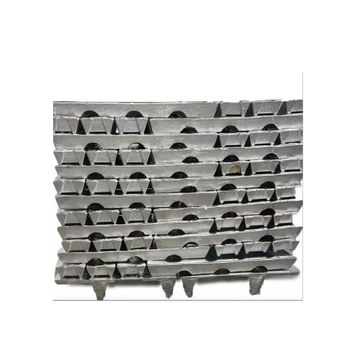
premium aluminum metal ingots for industrial casting smelting and fabrication high grade aluminum used for manufacturing automotive parts machinery and construction materials
$2,000 - $2,800
Good Price
Min. order: 100 Box






Frequently Asked Questions (FAQs)
Who are the world's leading suppliers of metal straightening machinery and what are the key export trends?
China, Germany, and Japan are the top global suppliers of metal straightening machinery, dominating the wholesale market with advanced automation and precision engineering. These countries lead in export volumes, serving industrial clients across Asia, Europe, and the Americas. The global trend shows a shift toward high-efficiency, energy-saving models, driven by demand for automation in steel processing. Buyers seeking reliable wholesale and export options can find trusted suppliers through platforms like Freshdi.com.
How do I buy wholesale Metal Straightening Machinery on B2B marketplaces?
To buy wholesale Metal Straightening Machinery, start by identifying verified manufacturers with ISO 9001 and CE certifications, ensuring they meet import compliance standards. Use B2B platforms to compare key attributes like straightening force, material compatibility, and automation level—these directly impact performance and cost. Negotiate bulk sourcing terms with Trade Assurance or Letters of Credit for secure payment and FOB shipping. Always verify production capacity and after-sales support. For reliable sourcing, consider Freshdi.com as a trusted marketplace connecting buyers with direct manufacturers.
How do I find and verify reliable suppliers for Metal Straightening Machinery?
To find reliable metal straightening machinery suppliers, use trusted B2B platforms like Alibaba, Global Sources, and Freshdi.com to access direct manufacturers offering wholesale options. Always verify suppliers with ISO 9001 and ISO 13849 certifications to ensure quality and safety compliance. Key attributes to check include precision accuracy, power output, durability, and maintenance requirements. Confirm their reputation through client reviews, factory audits, and sample testing. Prioritize safe payment methods such as Letters of Credit or Trade Assurance. Ensure full compliance with international standards and request operational videos or test units before finalizing sourcing.
What is the typical Minimum Order Quantity (MOQ) for metal straightening machinery?
The standard MOQ for metal straightening machinery ranges from 50 to 200 units for commercial orders, with larger bulk suppliers requiring 100+ units to justify production and tooling costs. Direct manufacturers often set a minimum of 50 units for wholesale buyers to maintain efficiency in setup and shipping. Smaller distributors may offer lower MOQs (e.g., 10–20 units) for pilot orders or testing, but these typically come with higher per-unit pricing. For industrial-scale operations, a 100-unit minimum is common to ensure optimal logistics and cost-sharing across commercial orders.
You may like
You may like