5,402 results for “Red Dragon Fruit products found from trusted suppliers, wholesalers, manufacturers & exporters”

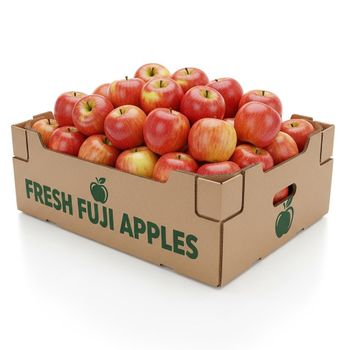
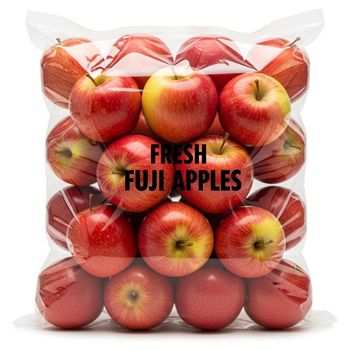
High Quality Fresh Fruit Shipment Featuring Fresh Red Fuji Apple With Secure Packaging
$450
Min. order: 5 Tons

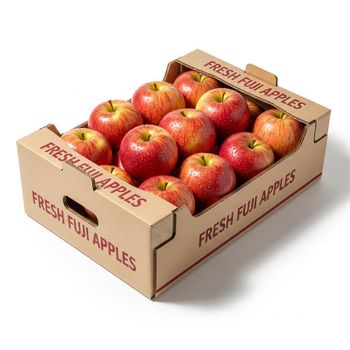
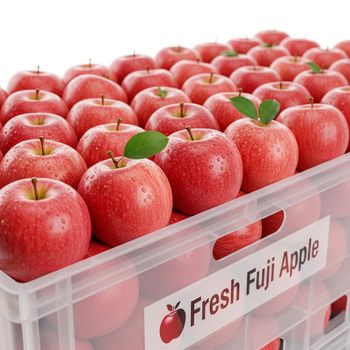
Premium Fresh Fruit Export Supply With Fresh Red Fuji Apple For Wholesale Import Buyers
$500
Min. order: 5 Tons



Frequently Asked Questions (FAQs)
Who are the world's leading red dragon fruit exporters and top global suppliers in the wholesale market?
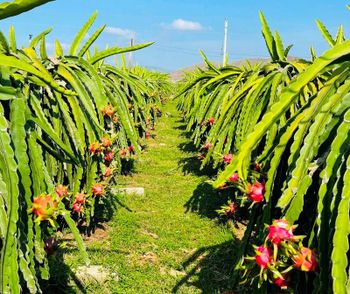
China, Mexico, and Thailand are the top global suppliers of red dragon fruit, with China dominating the wholesale and export market due to large-scale cultivation and efficient logistics. Mexico leads in quality and flavor, while Thailand offers high-yield, consistent supply for international buyers. These countries are key players in the global red dragon fruit trade, serving major B2B buyers across Asia, Europe, and the Americas. Freshdi.com provides a trusted B2B platform for sourcing premium red dragon fruit in bulk.
How do I find and verify reliable suppliers for Red Dragon Fruit?
To find reliable Red Dragon Fruit suppliers, use trusted B2B platforms like Alibaba, Global Sources, and Freshdi.com to access direct manufacturers. Prioritize suppliers with HACCP, ISO 22000, and organic certifications to ensure food safety and quality compliance. Key attributes to check include fruit size, sugar content, shelf life, and disease resistance. Always request samples and verify export history, factory audits, and production capacity. Secure transactions via Letters of Credit or Trade Assurance for safety. Focus on wholesale pricing with transparent MOQs and delivery terms. A strong supplier reputation, consistent quality, and reliable sourcing practices are essential for long-term success.
How do I buy wholesale Red Dragon Fruit on B2B marketplaces?
To source bulk Red Dragon Fruit, start by identifying verified manufacturers with export experience and certifications like ISO 22000 and HACCP. Filter suppliers offering consistent fruit quality, size, and shelf life, and ensure they provide import compliance documentation. Use Trade Assurance or Letters of Credit for secure transactions, and confirm shipping terms such as FOB or DAP to manage logistics and costs. Always request samples to verify color, sweetness, and firmness—key attributes affecting marketability. Platforms like Freshdi.com offer trusted B2B access to global red dragon fruit suppliers for reliable bulk sourcing.
What is the typical Minimum Order Quantity (MOQ) for wholesale red dragon fruit?
The standard MOQ for wholesale red dragon fruit is 500 units (approximately 100 kg) for commercial orders, enabling efficient shipping and cost optimization. Bulk suppliers often require this volume to cover transportation, refrigeration, and handling logistics. Smaller distributors may offer lower MOQs (e.g., 100–200 units) for direct retail or specialty food brands, while direct-from-farm suppliers may accept smaller commercial orders with higher per-unit pricing. For private label or branded products, MOQs can rise to 1,000 units to support packaging and labeling costs. Always verify storage and temperature requirements for freshness.
You may like
You may like