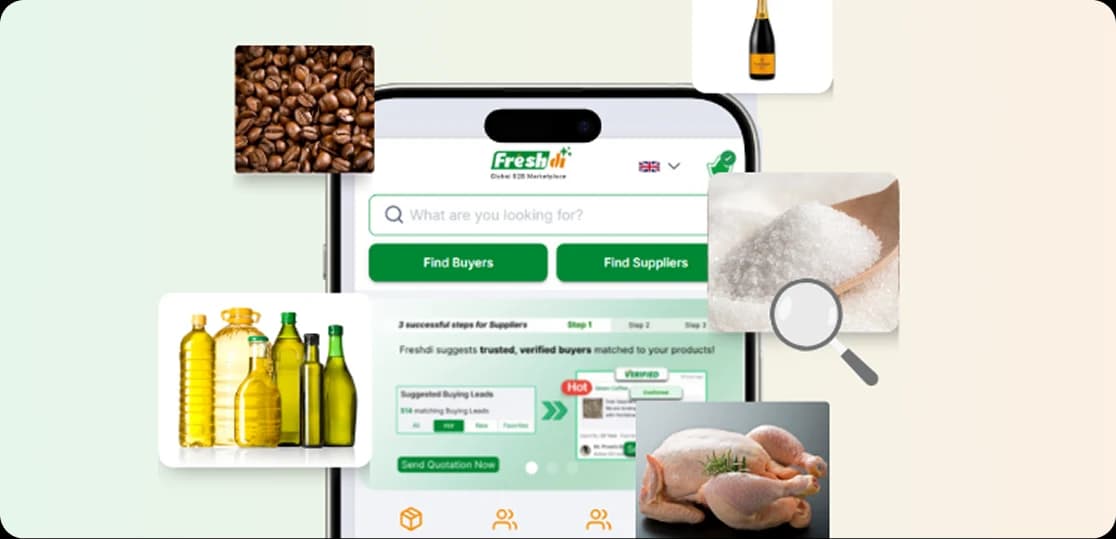
5,624 results for “Smart Water Heaters products found from trusted suppliers, wholesalers, manufacturers & exporters”

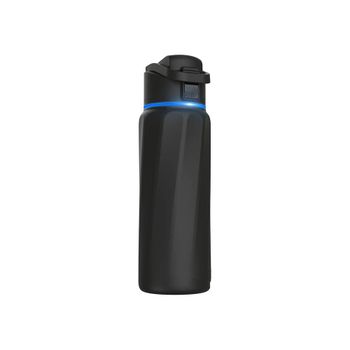
Smart water bottles with advanced tracking features available at wholesale price
$12
Good Price
Min. order: 100 Piece







Frequently Asked Questions (FAQs)
Who are the world's leading suppliers of smart water heaters and key global exporters in the B2B market?
China leads the global smart water heater market, producing over 60% of the world’s units and dominating wholesale export volumes. Key players include Haier, A.O. Smith, and Midea, with China, the USA, and South Korea being top global suppliers. These manufacturers serve international buyers through robust export channels, offering energy-efficient, IoT-enabled models. The trend shows a strong shift toward smart, connected water heaters in emerging markets. Buyers seeking bulk wholesale supply can access reliable global exporters via platforms like Freshdi.com.
How do I find and verify reliable suppliers for smart water heaters?
To find reliable smart water heater suppliers, use trusted B2B platforms like Alibaba, Global Sources, and Freshdi.com to access direct manufacturers. Prioritize suppliers with key certifications including CE, RoHS, and ISO 9001/14001 to ensure compliance and quality. Check critical attributes such as smart connectivity, energy efficiency (e.g., ENERGY STAR), safety features, and app compatibility. Always request product samples and verify factory audits or live production videos. Secure transactions via Trade Assurance or Letters of Credit to ensure safety. Look for transparent wholesale pricing, clear MOQs, and reliable delivery terms before finalizing sourcing.
What is the typical Minimum Order Quantity (MOQ) for wholesale smart water heaters?
The standard MOQ for wholesale smart water heaters is 500 units for direct manufacturers, enabling optimized production and shipping efficiency. Commercial distributors often require 200–500 units to cover logistics and inventory costs, while bulk suppliers may offer lower MOQs (e.g., 100 units) for long-term commercial orders or private label partnerships. Smaller buyers can access starter kits or single units through specialized B2B platforms, though at higher per-unit pricing. MOQs are set to balance economies of scale, reduce waste, and ensure consistent supply for residential and commercial installations.
How do I buy wholesale smart water heaters on B2B marketplaces?
To source bulk smart water heaters, partner with verified manufacturers offering energy-efficient models with smart thermostats, remote control, and app connectivity. Verify supplier credentials including ISO 9001, CE, and Energy Star certifications. Use platforms like Freshdi.com to compare pricing, MOQs, and delivery terms. Ensure import compliance by confirming local regulations and obtaining necessary documentation. Opt for FOB or DDP shipping terms and secure transactions via Trade Assurance or Letters of Credit to protect payment and logistics. Always request technical specs and warranty details to align with your commercial needs.
You may like
You may like