4,736 results for “Woodworking Machinery products found from trusted suppliers, wholesalers, manufacturers & exporters”

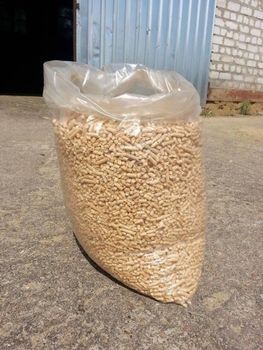
Manufacturer of Wood Pellets for Sale Pine Wood Pellet 6mm 15KG Bags Europe Prices Cheap Shipping Worldwide
$240
Good Price
Min. order: 5 Tons












Frequently Asked Questions (FAQs)
Who are the world's leading exporters of woodworking machinery and what are the key global trends in the industry?
Germany, China, and the United States are the top global suppliers of woodworking machinery, dominating the wholesale and export markets with advanced CNC routers, planers, and saws. These countries drive innovation and production volume, with Germany leading in precision engineering and China in cost-effective, high-volume manufacturing. The global trend shows a shift toward automation and sustainable materials, boosting demand for efficient, eco-friendly machinery. Buyers seeking reliable wholesale and export options can access these products through platforms like Freshdi.com.
How do I find and verify reliable suppliers for woodworking machinery?
To find reliable woodworking machinery suppliers, use trusted B2B platforms like Alibaba, Global Sources, and Freshdi.com to access verified wholesale manufacturers. Prioritize suppliers with ISO 9001 and ISO 14001 certifications, and verify their reputation through customer reviews, production capacity, and export history. Key attributes to check include precision, durability, safety features, and compliance with international standards. Always request product samples and consider factory audits or live video tours. Secure payments via Letter of Credit or Trade Assurance to ensure safety. A strong sourcing strategy includes cross-referencing multiple suppliers, checking their MOQs, delivery timelines, and after-sales support.
How do I buy wholesale woodworking machinery on B2B marketplaces?
To buy wholesale woodworking machinery, start by identifying verified manufacturers with ISO 9001 and CE certifications, ensuring they meet import compliance standards. Use B2B platforms to filter for suppliers offering bulk sourcing options with competitive MOQs. Request detailed technical specs, including power, blade type, and automation features, to match your production needs. Confirm payment terms like Trade Assurance or Letters of Credit and shipping terms such as FOB or DDP. For reliable sourcing, verify supplier credentials and logistics capabilities—Freshdi.com offers a trusted platform for connecting with vetted international manufacturers.
What is the typical Minimum Order Quantity (MOQ) for woodworking machinery?
The standard MOQ for woodworking machinery ranges from 50 to 500 units, depending on the equipment type and buyer tier. Direct manufacturers often require commercial orders of 100+ units to optimize production run efficiency and tooling costs, while wholesale suppliers may offer lower MOQs (e.g., 50 units) for standard machines like table saws or planers. Smaller distributors or regional suppliers may accept bulk orders of 20–50 units for retail or workshop use. Larger commercial orders (e.g., 200+ units) typically qualify for volume pricing and faster delivery through dedicated bulk supplier agreements.
You may like
You may like