10,000+ results for “Fruit Juices products found from trusted suppliers, wholesalers, manufacturers & exporters”
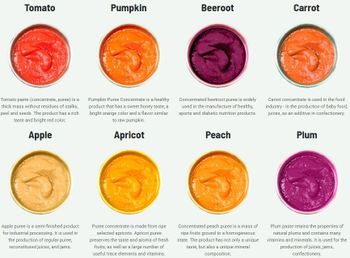

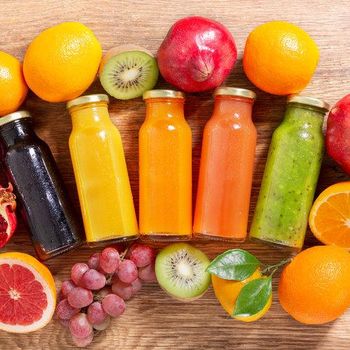
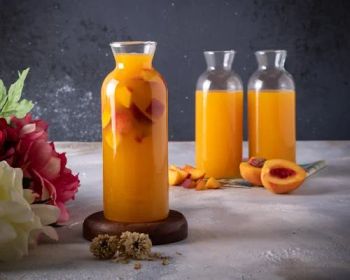
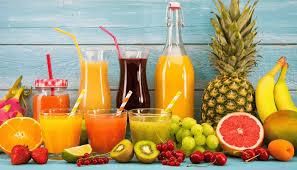

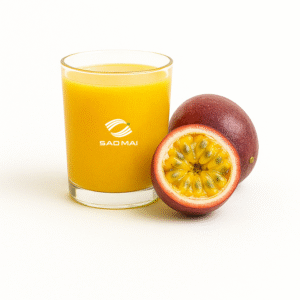


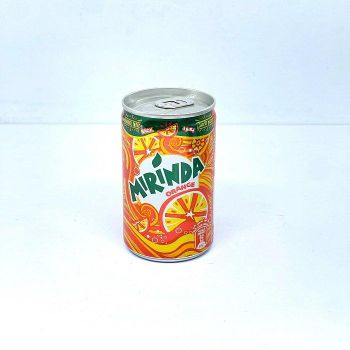
Mirindaa Orange Flavor Carbonated Drinks 320ml Bottles Puree Vegetables Fruit Juices Good Price Soft Beverages
$0.5 - $0.95
Good Price
Min. order: 500 Piece

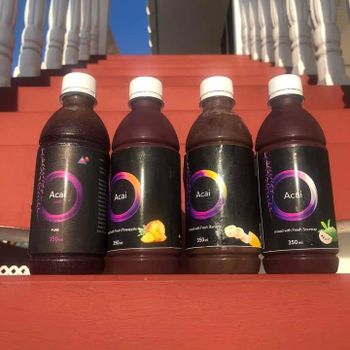

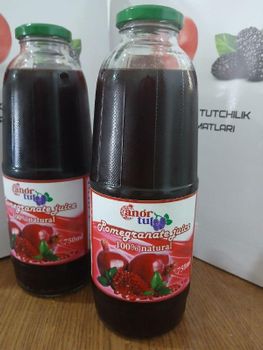

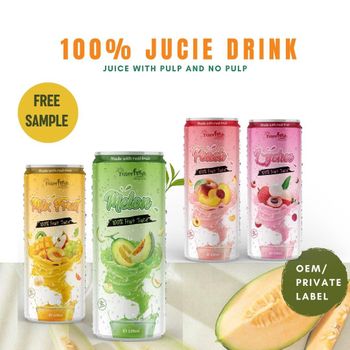


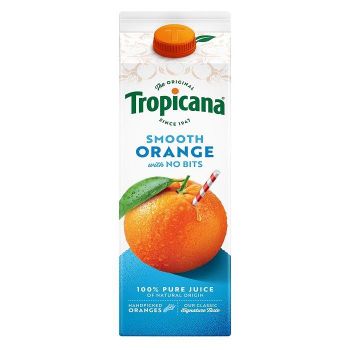
Tropicana Natural Fruit Juice Premium Quality Refreshing Beverage With Fresh Taste For Wholesale Buyers Retail Marke
$22 - $35
Good Price
Min. order: 100 Carton
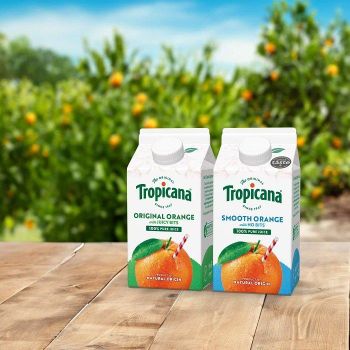
Tropicana Premium Juice Collection Available At Competitive Price For Beverage Sellers Looking For Quality
$17 - $28
Good Price
Min. order: 100 Carton
Frequently Asked Questions (FAQs)
Who are the world's leading fruit juice exporters and top global suppliers in the wholesale market?
- The global fruit juice market is dominated by Brazil, the United States, and India as the top exporters, with Brazil leading in orange juice and India in mango and pineapple-based juices. These countries serve as key suppliers for bulk wholesale and export demand across Asia, Europe, and North America. The U.S. and EU are major hubs for apple and citrus juice production, while India and Southeast Asia drive growth in natural and organic juice segments. Buyers seeking reliable export supply and sustainable sourcing can access these top global producers through B2B platforms like Freshdi.com.
How do I find and verify reliable suppliers for Fruit Juices?
To find reliable wholesale fruit juice suppliers, use trusted B2B platforms like Alibaba, Global Sources, and Freshdi.com to access direct manufacturers. Prioritize suppliers with key certifications including HACCP, ISO 22000, and organic (if applicable) to ensure food safety and compliance. Check critical attributes such as shelf life, sugar content, pH levels, and packaging integrity. Always request product samples and verify factory audits or third-party inspections. Secure payments via Letters of Credit or Trade Assurance to protect your investment. A strong supplier reputation is built on consistent quality, transparent sourcing, and reliable delivery—verify these through reviews, export history, and direct communication before finalizing any sourcing agreement.
What is the typical Minimum Order Quantity (MOQ) for wholesale fruit juices?
The standard MOQ for wholesale fruit juices is 500 liters (or 100 cases of 5L bottles) for most bulk suppliers, ensuring efficient production runs and reduced per-unit shipping costs. Commercial distributors often require 200–500 units to cover packaging and refrigerated logistics expenses. Direct manufacturers may offer lower MOQs (e.g., 100–200 liters) for private label or white-label brands, while smaller buyers can find flexible options through regional juice suppliers. Larger commercial orders (e.g., 1,000+ liters) typically receive volume discounts and custom blending options.
How do I buy wholesale fruit juices on B2B marketplaces?
To source bulk fruit juices efficiently, start by identifying verified manufacturers with food safety certifications (e.g., HACCP, ISO 22000) and import compliance documentation. Filter suppliers offering transparent production processes, clear labeling, and organic or natural ingredient declarations. Negotiate terms like FOB shipping and secure payment via Trade Assurance or Letters of Credit to protect against fraud. Specify juice type (e.g., orange, apple), volume (liters or bottles), and packaging requirements. Always request samples and verify shelf life, pH levels, and preservative use. For reliable sourcing, platforms like Freshdi.com connect buyers with vetted producers ensuring quality and compliance.
You may like
You may like